


Pergola Kits: The Complete Buyer's Guide to Kit Options in 2026
Shopping for pergola kits can feel overwhelming. There are hundreds of options across every material, size, and price point. Wood, aluminum, vinyl, steel, fiberglass. Freestanding or attached. $800 kits from big-box stores. $25,000+ commercial-grade systems shipped to your door.
This guide breaks it all down. We compare every major pergola kit material side by side, list real pricing by size, and walk you through exactly what to look for before you buy. Whether you want a DIY pergola kit you can assemble in an afternoon or a heavy-duty aluminum pergola kit built to handle hurricanes, you will find it here.
We manufacture aluminum pergola kits at The Luxury Pergola, so we know this category inside and out. But this guide covers every material honestly, including where other options might be a better fit for your project.

What Is a Pergola Kit?
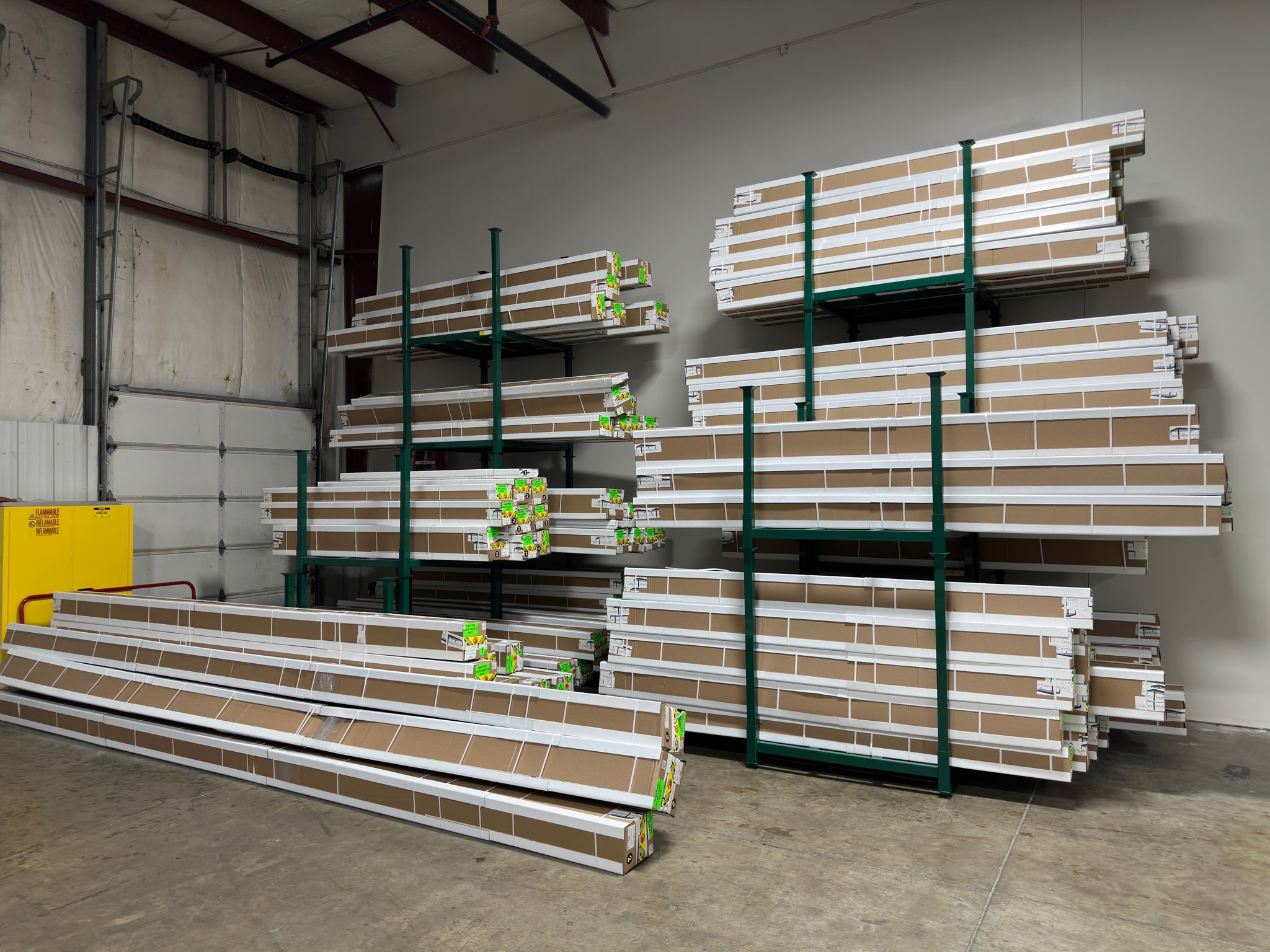
A pergola kit is a pre-engineered, pre-cut outdoor structure shipped directly to your home with all the components needed for assembly. Instead of sourcing lumber, cutting beams to length, and figuring out joinery on-site, you receive a complete package: posts, beams, rafters (or louvers), hardware, and step-by-step instructions.
Think of it like furniture from a high-end manufacturer, but for your backyard. Everything is precision-cut at the factory, labeled, and ready to bolt together.
Pergola Kits vs Custom-Built vs Contractor-Installed
There are three ways to get a pergola on your property. Each comes with different tradeoffs in cost, quality, and effort:
Pergola Kits (DIY): You order online, receive the kit, and install it yourself or with a small crew. Pricing is transparent. You skip the contractor markup entirely. Most pergola kits can be assembled in 4 to 8 hours with 2 to 3 people. This is the most cost-effective route, and for high-quality kits, you are not sacrificing anything on materials or engineering.
Custom-Built (Contractor from Scratch): A local contractor designs and builds a pergola on-site using raw materials. This gives maximum design flexibility but comes with the highest cost and longest timeline. You are paying for the contractor's time, material sourcing, and custom fabrication. Expect $15,000 to $60,000+ depending on material and size, plus a multi-week build schedule.
Dealer/Installer-Sold Systems: Companies like StruXure and Azenco sell through dealer networks. The product itself may be excellent, but you are paying for the dealer's margin, the installer's labor, and often a design consultation fee. The same aluminum louvered pergola that costs $10,000 to $15,000 as a kit can run $40,000 to $60,000+ through this channel.

The pergola kit model exists because most homeowners do not need a contractor to assemble a pre-engineered structure. If the kit is well-designed with clear instructions, two people with basic tools can handle it. You save thousands, and in many cases, you get a better product because the kit manufacturer specializes in one thing: building pergolas.
Pergola Kit Materials Compared
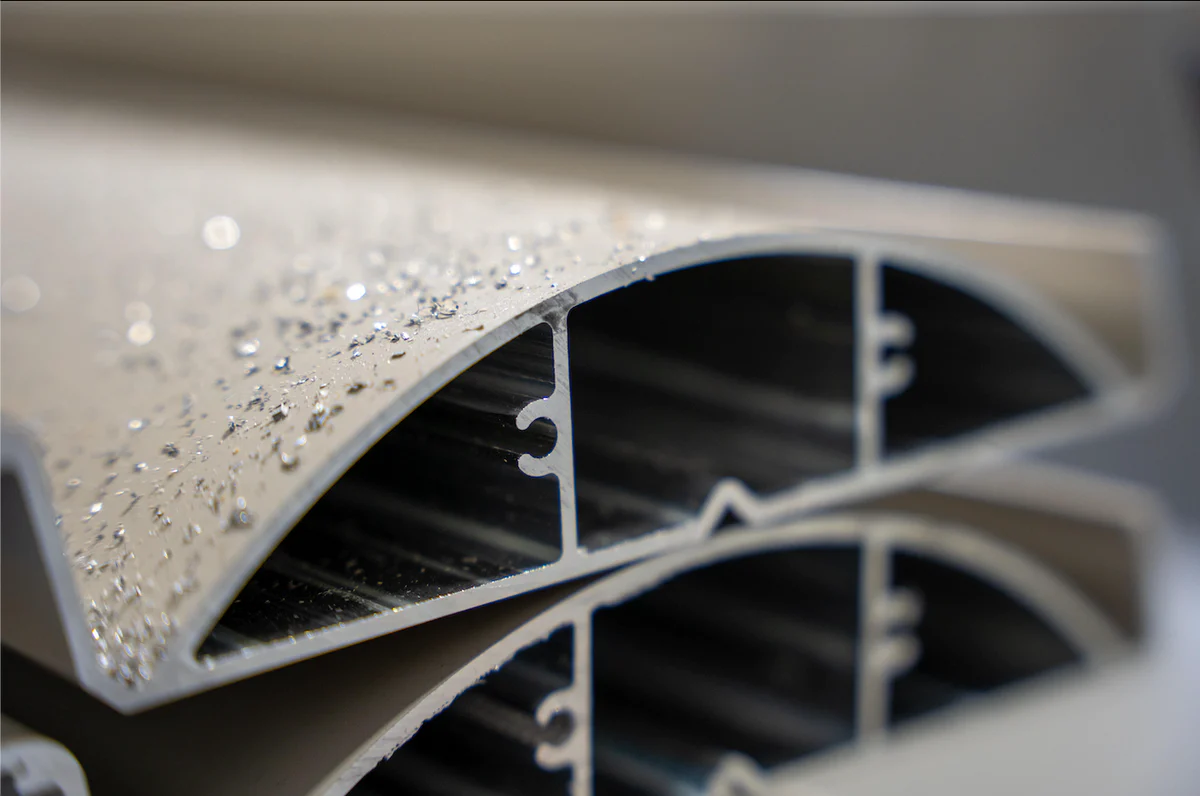
The material you choose determines everything: how long your pergola kit lasts, how much maintenance it needs, what weather it can handle, and what it costs. Here is an honest comparison of the five main pergola kit materials on the market.
| Material | Durability | Maintenance | Weight | Wind Rating | Cost Range | Best For |
|---|---|---|---|---|---|---|
| Aluminum | Excellent (lifetime) | Near zero | Heavy (800-1,800+ lbs) | Up to 200+ mph | $5,000-$25,000+ | Long-term investment, extreme weather, modern look |
| Wood (Cedar/Redwood) | Good (10-20 years with care) | High (annual staining/sealing) | Heavy (varies) | Up to 90-110 mph | $2,000-$12,000 | Natural aesthetic, rustic style |
| Vinyl | Moderate (15-20 years) | Low (occasional wash) | Light (200-400 lbs) | Up to 70-90 mph | $800-$5,000 | Budget-friendly, low maintenance |
| Steel | Very Good (20-30 years) | Moderate (rust prevention) | Very Heavy (1,000-3,000+ lbs) | Up to 130-150 mph | $3,000-$15,000 | Industrial style, heavy-duty commercial |
| Fiberglass | Good (20+ years) | Low | Light (300-600 lbs) | Up to 100-120 mph | $3,000-$10,000 | Coastal areas, corrosion resistance |
Key Takeaways from the Material Comparison
Aluminum pergola kits lead in durability and weather performance. Commercial-grade aluminum does not rot, rust, warp, or attract insects. The best aluminum pergola kits come with powder-coated finishes that resist fading for decades. If you live anywhere with serious weather (high wind, heavy snow, coastal salt air), aluminum is the strongest option.
Wood pergola kits win on natural aesthetics. Cedar and redwood are beautiful materials. But they require annual maintenance: staining, sealing, and inspecting for rot and insect damage. Skip a year and you will see the difference.
Vinyl is the budget entry point. Great for someone who wants a basic shade structure without spending much, but vinyl pergola kits lack the structural strength for serious weather.
Steel is strong but heavy and prone to rust without proper coating. Most steel pergola kits target commercial applications rather than residential backyards.
Fiberglass is a niche option, popular in coastal environments because it resists salt corrosion. But fiberglass pergola kits offer limited customization and fewer size options than aluminum.
Pergola Kits by Size

Pergola kits come in a wide range of sizes, from compact 8x8 units for small patios to sprawling 20x20 structures that cover full outdoor living areas. The size you need depends on your space, your intended use, and your budget. Here is a pricing overview across the most common pergola kit sizes and materials.
| Size (ft) | Aluminum | Wood (Cedar) | Vinyl | Steel | Best Use |
|---|---|---|---|---|---|
| 8x8 | $3,000-$6,000 | $1,500-$3,000 | $800-$2,000 | $2,500-$5,000 | Hot tub cover, small seating area |
| 8x10 | $3,500-$7,000 | $1,800-$3,500 | $1,000-$2,500 | $3,000-$5,500 | Small patio, balcony area |
| 10x10 | $5,000-$9,000 | $2,500-$5,000 | $1,200-$3,000 | $3,500-$7,000 | Dining area, small patio cover |
| 10x12 | $6,000-$11,000 | $3,000-$6,000 | $1,500-$3,500 | $4,000-$8,000 | Standard patio, outdoor dining |
| 10x14 | $7,000-$13,000 | $3,500-$7,000 | $2,000-$4,000 | $4,500-$9,000 | Entertaining space, grill area |
| 12x12 | $8,000-$14,000 | $4,000-$8,000 | $2,500-$4,500 | $5,000-$10,000 | Lounge area, outdoor living room |
| 12x16 | $10,000-$18,000 | $5,000-$10,000 | $3,000-$5,500 | $6,000-$12,000 | Full outdoor kitchen, large dining |
| 12x20 | $12,000-$22,000 | $6,000-$12,000 | N/A | $8,000-$15,000 | Large entertaining, pool coverage |
| 14x14 | $11,000-$18,000 | $5,500-$10,000 | N/A | $7,000-$13,000 | Square outdoor rooms, fire pit areas |
| 16x16 | $14,000-$22,000 | $7,000-$12,000 | N/A | $9,000-$16,000 | Large patios, commercial outdoor dining |
| 16x20 | $16,000-$25,000 | $8,000-$14,000 | N/A | $10,000-$18,000 | Resort-style backyard, restaurant patio |
| 20x20 | $20,000-$35,000+ | $10,000-$18,000 | N/A | $12,000-$22,000 | Full outdoor living compound, commercial |
How to Choose the Right Size
A good rule of thumb: measure the area you want to cover and add 2 feet on each side for visual proportion. A 10x12 patio typically looks best under a 12x14 or 12x16 pergola kit. For outdoor kitchens and dining, most homeowners find that 10x14 or 12x16 provides the right balance of coverage and open feel.
If your space demands something larger than 20 feet in any dimension, look for manufacturers that offer "super pergola" configurations where two or more units connect side by side for continuous coverage. Not every brand offers this, but it is the right solution for large-scale projects rather than trying to span too far with a single unit.
Best Aluminum Pergola Kits

Aluminum pergola kits have become the preferred choice for homeowners who want a permanent outdoor structure without the maintenance headaches of wood or the structural weaknesses of vinyl. Here is why aluminum wins the overall comparison, and what to look for when choosing between aluminum pergola kits.
Why Aluminum Is the Top Pergola Kit Material
No rot, no rust, no insects. Aluminum does not degrade the way wood does. There are no annual staining appointments, no termite inspections, and no warping after a wet winter. Quality aluminum pergola kits with proper powder coating will look the same in 20 years as they do on day one.
Highest weather ratings. The best aluminum pergola kits are rated for up to 200+ mph winds (closed position) and up to 65 psf snow loads. No other pergola kit material comes close. If you live in a state that sees hurricanes, heavy snow, or sustained high winds, aluminum is the only material that gives you true engineering confidence.
Lightweight yet strong. Aluminum has a superior strength-to-weight ratio. A 10x13 commercial-grade aluminum pergola kit can weigh 1,800 lbs while delivering structural performance that heavier steel cannot match.
Powder-coated finishes. Look for aluminum pergola kits with multi-stage powder coating processes. The best manufacturers use proprietary coating systems that resist UV fading, scratching, and chipping far better than standard single-coat finishes.

The Luxury Pergola: Our Aluminum Pergola Kits
We build commercial-grade aluminum pergola kits in Indiana and ship factory-direct nationwide. Here is what sets ours apart:
- Up to 200+ mph wind rating (closed position) and up to 65 psf snow load
- 1,800 lbs for a 10x13 unit, compared to 250-450 lbs for imported competitors
- Motorized louvered roof with 130-degree rotation for on-demand shade, light, and rain protection
- ElectroLayer powder coat finish that will not fade, chip, or peel
- Flat ceiling design for a clean, modern interior look
- Integrated gutter system channels rainwater through the posts and away from your living space
- Lifetime warranty on frame, louvers, motor, and electronics
- 1-day DIY installation with 2-3 people
- 100% USA-made at our facility in Indiana
- Custom sizing available from 10x10 to 12x20+ single units (Super Pergola configurations for even larger spans)
Our pergola kits for sale start around $8,000 for a 10x10 and go up depending on size and configuration. Configure your pergola here for exact pricing on your size.
Other Aluminum Pergola Kit Brands
There are several other brands selling aluminum pergola kits. Here is an honest look at the field:
BON Pergola: Lighter construction than TLP. Decent product for moderate climates but lower wind and snow ratings. Typically 50-70% lighter than our units at comparable sizes.
PERGOLUX: European-designed kits with decent aesthetics. Standard powder coating (not multi-stage). Lower structural ratings than commercial-grade options. See our full Pergolux vs Luxury Pergola comparison.
Hanso Home: Markets aggressively as "#1 Most Popular." Claims 120 mph wind rating, which is solid but well below the 200+ mph you get from commercial-grade aluminum kits.
Purple Leaf: Budget-priced aluminum kits available on Amazon. Lightweight construction. Good entry point if budget is the priority, but expect a product that weighs a fraction of commercial-grade alternatives.
Costco Mirador: Mass-market aluminum kit at an attractive price. Limited to a few standard sizes with no customization. Light enough to pick up with one hand, according to customer reviews.
Read our full comparison: Best Aluminum Pergola
Best Wood Pergola Kits
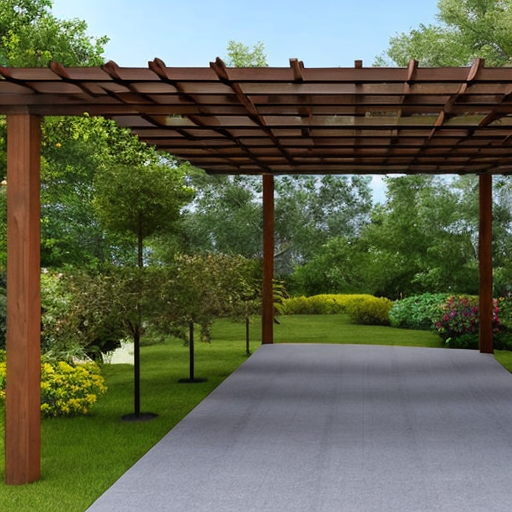
Wood pergola kits remain popular for homeowners who prioritize a natural, rustic look. If you want the warmth and character that only real wood provides, these kits deliver it. Just go in with realistic expectations about maintenance and longevity.
Wood Types for Pergola Kits
Western Red Cedar: The most popular wood for pergola kits. Naturally resistant to rot and insects (more so than pressure-treated pine). Beautiful grain and color. Will gray over time if left untreated. Requires annual or biannual staining and sealing to maintain its appearance and structural integrity.
Redwood: Premium wood with excellent natural rot resistance. More expensive than cedar, but denser and more durable. Redwood pergola kits are the high end of the wood market and can last 20-25 years with proper care.
Pressure-Treated Pine: The most affordable wood option. Chemically treated to resist rot and insects. Functional, but it does not have the natural beauty of cedar or redwood. Tends to warp, crack, and split more over time. Most big-box store wood pergola kits use pressure-treated lumber.
Pros of Wood Pergola Kits
- Natural aesthetic that blends with gardens and traditional home styles
- Can be stained or painted any color
- Lower upfront cost than premium aluminum kits
- Wide availability from online retailers and local lumber yards
- Easy to customize with a saw on-site if needed
Cons of Wood Pergola Kits
- Requires annual maintenance (staining, sealing, inspecting)
- Susceptible to rot, warping, cracking, and insect damage
- Lower wind and snow ratings than aluminum or steel
- No motorized louver option (wood pergola kits use fixed rafters that do not adjust)
- Heavier to ship and handle, leading to higher freight costs
- Typical lifespan of 10-20 years even with maintenance
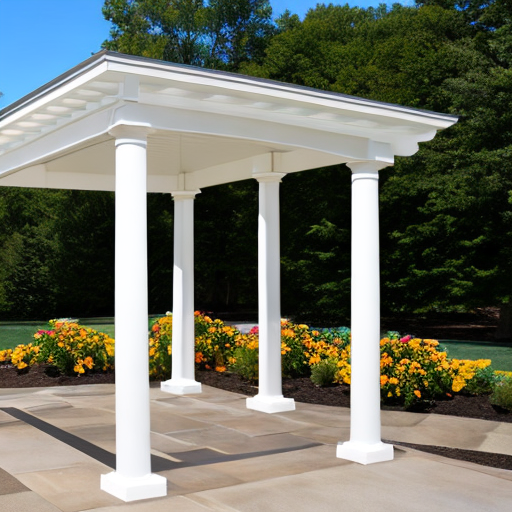
Wood Pergola Kit Brands
Pergola Depot: One of the largest dedicated wood pergola kit sellers. Offers cedar and rough-sawn options in a wide range of sizes. Good reputation for quality lumber and detailed instructions. Prices range from $2,500 to $12,000+ depending on size and wood type.
PergolakitsUSA: Specializes in cedar and redwood pergola kits. Offers both standard sizes and some custom configurations. Known for thick, quality lumber cuts. Mid-to-upper price range for wood kits.
Backyard Discovery / Yardistry (Costco): Budget-friendly cedar pergola kits sold through big-box retailers. Thinner lumber than specialty brands, but a good entry point for someone testing whether a pergola works in their space. Typically $1,500 to $4,000.
Best Vinyl and Steel Pergola Kits
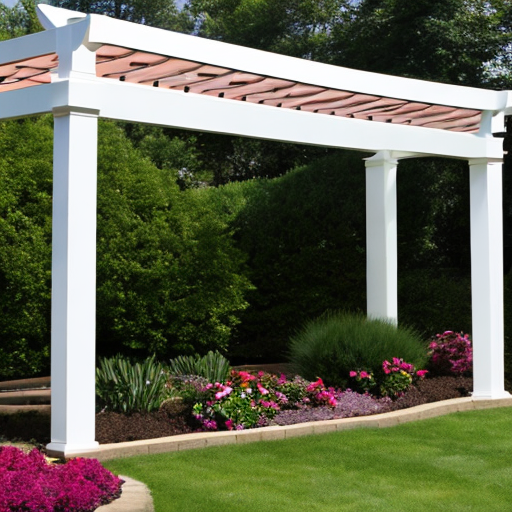
Vinyl Pergola Kits
Vinyl pergola kits sit at the budget end of the market. They are popular because they are cheap, lightweight, and require almost no maintenance beyond an occasional rinse with a garden hose.
Pros:
- Lowest upfront cost ($800 to $5,000 for most sizes)
- No painting, staining, or sealing required
- Will not rot or attract insects
- Clean white finish that maintains its appearance
- Lightweight for easy shipping and handling
Cons:
- Limited structural strength. Most vinyl pergola kits are rated for only 70-90 mph winds.
- Can yellow or become brittle after years of UV exposure
- Limited size options. Vinyl cannot span as far as aluminum or steel without additional supports.
- Looks more "residential" or "builder-grade" than premium materials
- Not available in larger sizes (typically max 14x14 or 16x16)
- Cannot support heavy accessories like fans, heaters, or motorized components
Vinyl pergola kit brands to consider: New England Arbors (Regency series), Pergola Kits USA (vinyl line), and various options on Amazon and Wayfair. Most vinyl pergola kits come in white or tan and offer limited color customization.
Steel Pergola Kits
Steel pergola kits occupy a niche in the market. They are extremely strong and work well for commercial applications, industrial aesthetics, or situations where maximum structural strength is needed.
Pros:
- Very high structural strength
- Modern industrial aesthetic
- Can span long distances without sagging
- Good wind and snow ratings (up to 130-150 mph wind, depending on design)
Cons:
- Rust is the primary enemy. Even galvanized and powder-coated steel will eventually rust in humid or coastal environments.
- Very heavy, making shipping expensive and installation more difficult
- Fewer color options compared to aluminum
- Conducts heat more than aluminum, making the structure hotter to the touch in direct sun
- More expensive than wood for comparable coverage area
Steel is a strong choice for commercial pergola kits where industrial design is desired. For residential use, aluminum delivers similar strength at lower weight and with no rust concerns.
Freestanding vs Attached Pergola Kits

One of the first decisions you will face when buying pergola kits is whether to go freestanding or attached to your home. Both work well. The right choice depends on your space, your home's structure, and local building codes.
Freestanding Pergola Kits
A freestanding pergola kit stands on its own with four or more posts anchored to the ground (typically to a concrete pad, pavers, or footings). It is not connected to the house.
Best for:
- Pool decks and detached patios
- Garden areas and outdoor kitchens away from the house
- Properties where attaching to the house wall is not practical or permitted
- Homeowners who want flexibility in placement
- Fire pit areas, hot tub enclosures, and standalone entertaining spaces
Considerations: Freestanding pergola kits need a solid, level surface for the posts. If you are placing it on grass, you will need to pour footings or concrete pads. Most municipalities require specific footing depths based on local frost lines.
Attached (Wall-Mounted) Pergola Kits
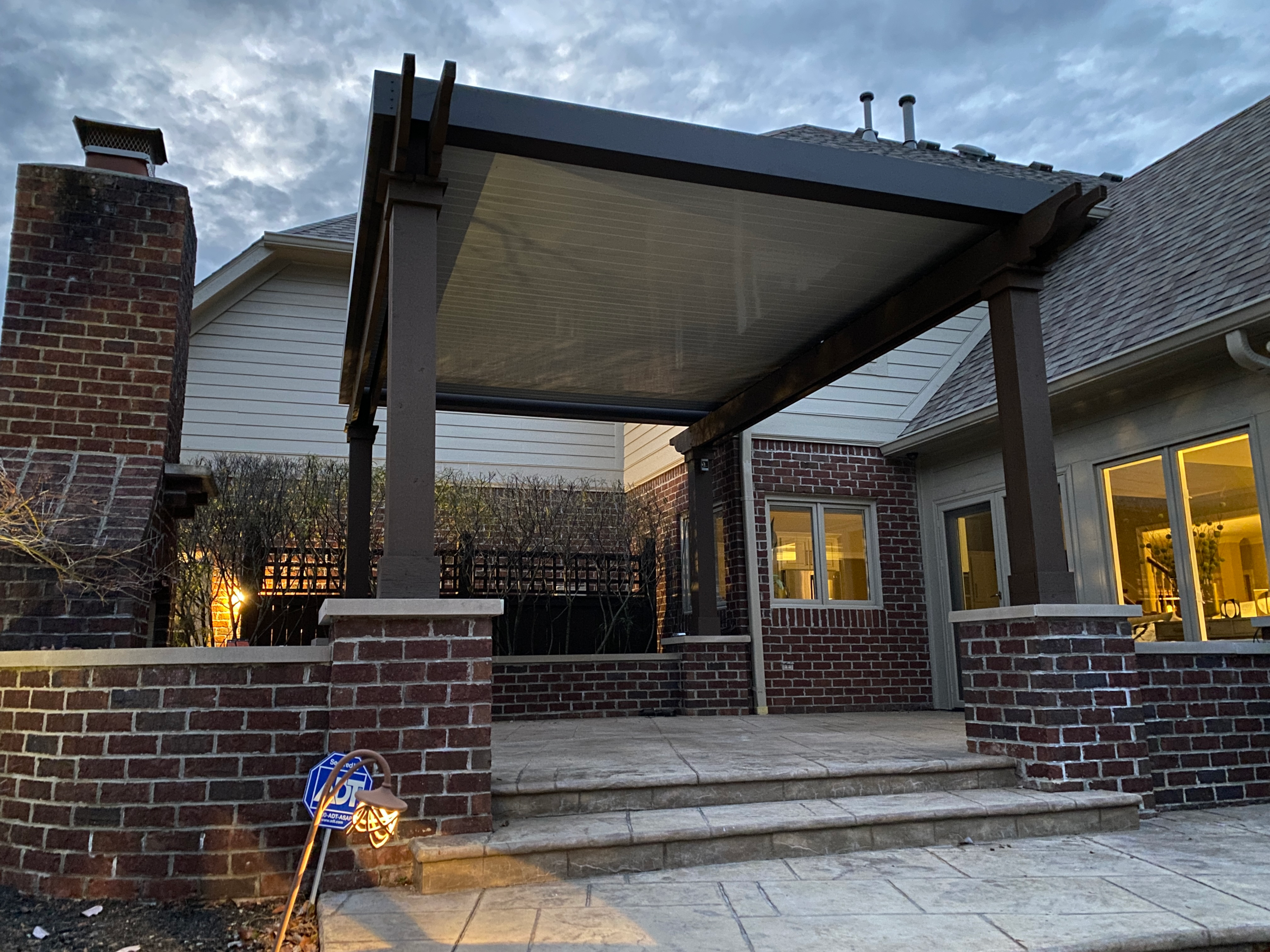
An attached pergola kit connects directly to your home's wall or roofline, using the house as a structural anchor on one side. This means only two posts on the outer edge instead of four.
Best for:
- Extending covered living space from your back door
- Creating a smooth transition between indoor and outdoor areas
- Smaller yards where a freestanding unit would feel crowded
- Covered walkways along the side of a home
Considerations: Attaching a pergola to your house requires drilling into the wall or fascia board. Make sure the wall structure can handle the load. This usually means attaching to a structural header or ledger board, similar to how a deck is attached. Check your local building code, because attached structures often have different permit requirements than freestanding ones.
Which Should You Choose?
If you have an existing concrete patio directly off your back door, an attached pergola kit gives you a clean, integrated look. If your outdoor space is away from the house (poolside, garden, separate entertaining area), freestanding is the way to go.
Many pergola kit manufacturers offer both configurations. At The Luxury Pergola, our kits can be configured as either freestanding or attached, and both options carry the same wind and snow ratings.
What's Included in a Pergola Kit?
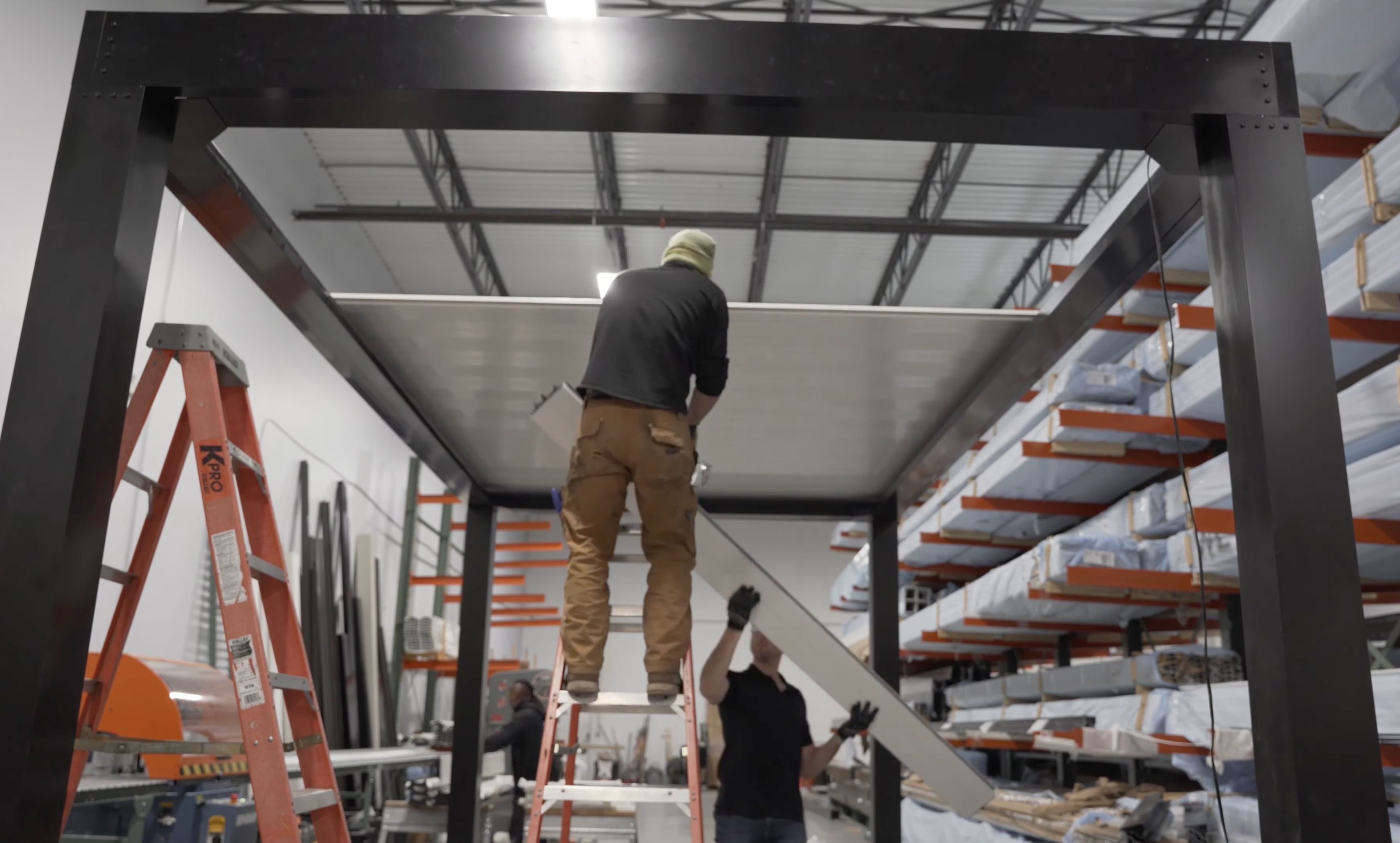
What you get in the box varies significantly between pergola kits. Budget kits may include the bare minimum. Premium kits include everything down to the last bolt. Here is what to expect and what to ask about before you buy.
What's Typically Included
- Posts/Columns: 4 posts for freestanding (2 for attached). These are the vertical supports that carry the weight of the structure.
- Beams/Headers: Horizontal members that connect the tops of the posts and support the roof system.
- Rafters or Louvers: The roof elements. Traditional pergola kits use fixed rafters (open-air shade). Louvered pergola kits use adjustable louvers that rotate to control sun, shade, and rain.
- Hardware Kit: All bolts, screws, brackets, and fasteners needed for assembly.
- Motor and Controls (louvered kits): Remote control unit and motor assembly for adjusting louver angle.
- Gutter/Drainage System (premium kits): Integrated channels that route rainwater through the posts and away from your space.
- Assembly Instructions: Step-by-step guide, often with video support from the manufacturer.
- Post Base Plates: Mounting plates that bolt the posts to your concrete pad or footings.
What's Usually NOT Included
- Concrete footings or pads: You need an existing concrete surface or will need to pour footings before your kit arrives.
- Concrete anchors/bolts: Some kits include these, many do not. Check before ordering.
- Tools: Most pergola kits require a drill, socket set, level, tape measure, and ladder. Some require a concrete drill for anchoring.
- Electrical wiring: If your pergola kit has a motor, you will need an electrician to run power (or use an outdoor-rated extension cord for some units).
- Permit: You are responsible for checking local building codes and pulling any required permits.
- Paint or stain (wood kits): Most wood pergola kits arrive unfinished. You will need to apply your own stain or sealant.
A good pergola kit manufacturer will list every included and excluded item on the product page. If they are vague about what is in the box, that is a red flag. Ask for a full component list before ordering.
How to Install a Pergola Kit
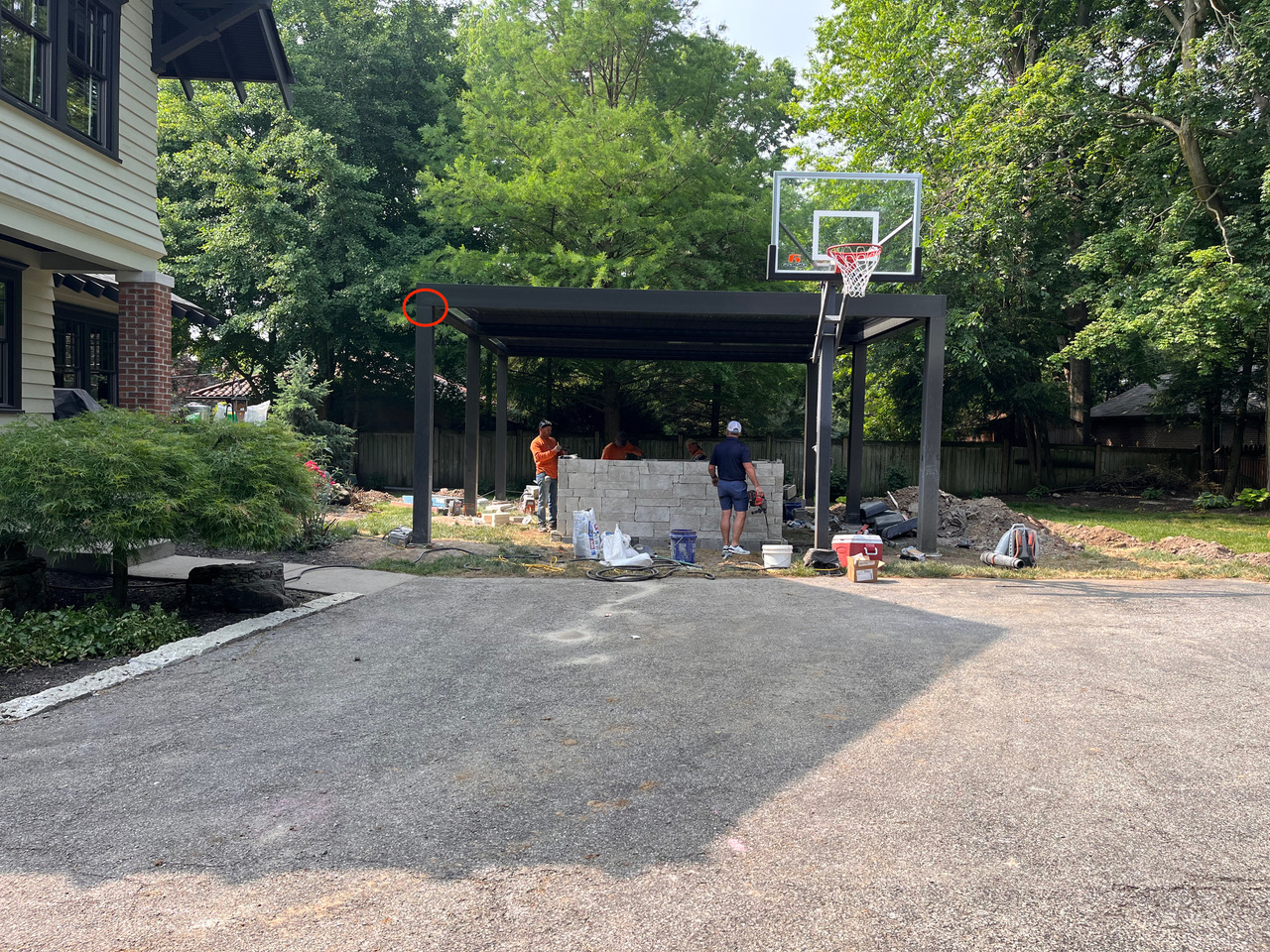
One of the biggest advantages of buying a pergola kit instead of hiring a contractor is that you (or a small crew) can install it yourself. Here is a high-level overview of the process so you know what to expect.
Time Estimate
Most pergola kits take 4 to 8 hours to assemble with 2 to 3 people. Smaller units (10x10, 10x12) are on the shorter end. Larger units (12x16, 12x20) take longer simply because there are more components and the pieces are heavier.
A premium aluminum DIY pergola kit with a louvered roof is typically a 1-day project. Set aside a full Saturday, start in the morning, and you will be sitting under it by dinner.
Tools You Will Need
- Cordless drill/impact driver
- Socket set (sizes vary by manufacturer)
- Level (4-foot recommended)
- Tape measure
- Ladder (6 to 8 foot, depending on post height)
- Concrete drill and masonry bits (for anchoring to concrete)
- Wrench set
- Safety glasses and gloves
Installation Steps (General Overview)
- Prep the surface: Make sure your concrete pad or footings are level, cured, and the correct size for your pergola kit footprint.
- Lay out components: Unbox everything and organize by part number. Match pieces to the assembly diagram.
- Set the posts: Position and anchor the post base plates to the concrete surface. Make sure they are perfectly plumb and at the correct spacing.
- Raise the posts: Stand the posts in the base plates and secure them temporarily. This is where having a second (and ideally third) person helps significantly.
- Install the beams: Connect the horizontal beams to the top of the posts. These lock the posts into position.
- Install the rafters or louvers: Set the roof system in place. For louvered kits, this includes the louver panels and the motor assembly.
- Wire the motor (louvered kits): Connect the motor to power. Some kits are plug-and-play; others require a hardwired connection.
- Final adjustments: Check all connections, level everything, and tighten all hardware to final torque specs.
When to Hire a Pro
You should consider hiring an installer if:
- You need footings poured (most homeowners can do this, but it is concrete work)
- Your site is not level and requires grading
- The pergola kit needs to be mounted to a second-story wall
- You need electrical work beyond a simple plug-in connection
- You are not comfortable working on a ladder with heavy components
Many pergola kit manufacturers, including The Luxury Pergola, are building national certified installer networks. This gives you the factory-direct price on the kit plus professional installation without the dealer markup.
Pergola Kit Buying Checklist
Before you buy any pergola kit, run through this 10-point checklist. It will help you avoid the most common buyer mistakes and ensure you get a structure that lasts.
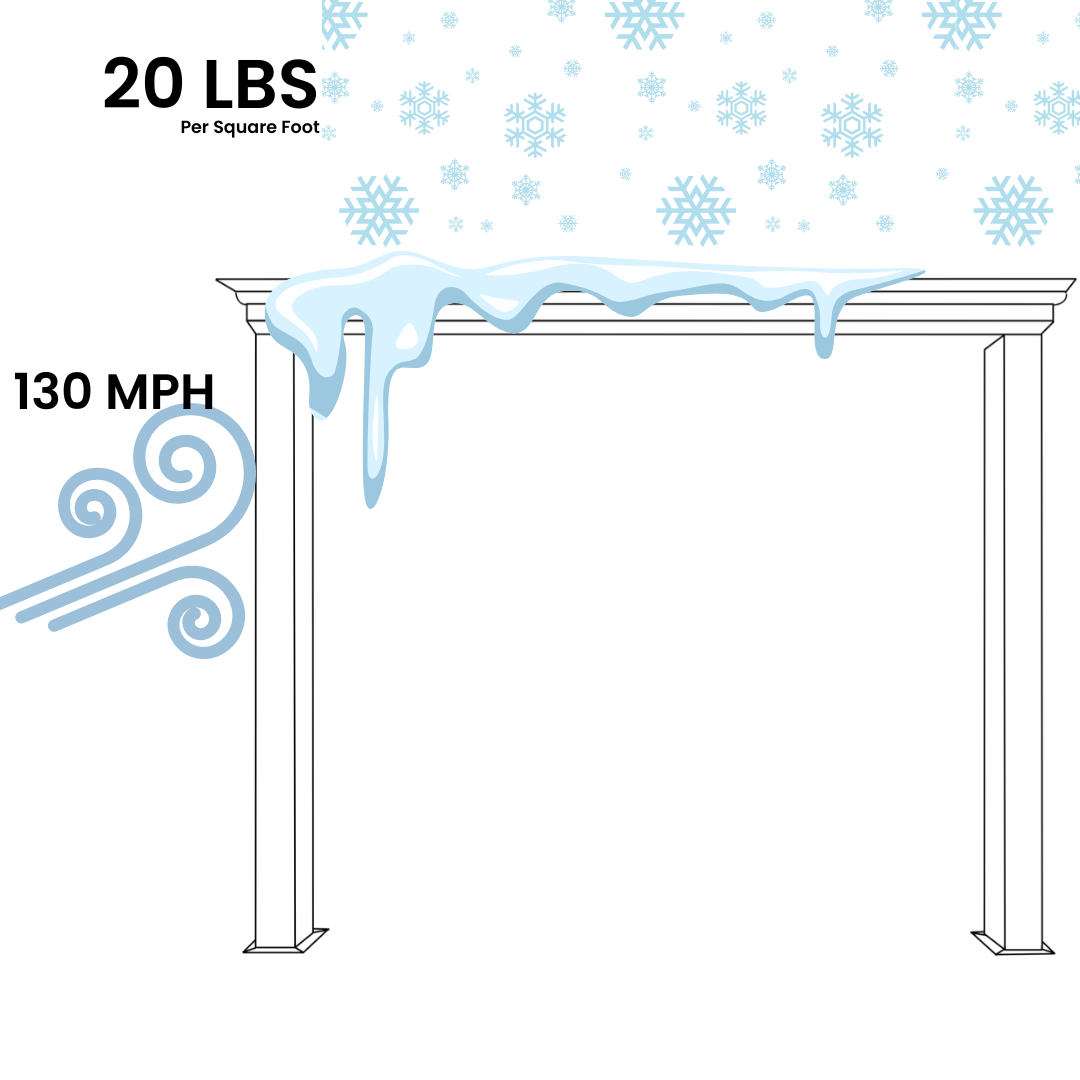
- Wind Rating: What is the maximum wind speed the kit is rated for? Look for the "up to" rating in closed position. Anything under 100 mph is risky in storm-prone areas. The best pergola kits are rated for up to 130-200+ mph.
- Snow Load: If you live anywhere that gets snow, check the snow load rating in pounds per square foot (psf). Budget kits may only handle 8-10 psf. Commercial-grade aluminum kits handle up to 65 psf.
- Warranty: A 5-year warranty suggests the manufacturer is not confident in the product lasting longer than 5 years. Look for 15-year to lifetime warranties on the frame, louvers (if applicable), motor, and electronics.
- Material Thickness: Thicker posts and beams mean a stronger structure. Ask for the wall thickness of the aluminum extrusions or the lumber dimensions. Avoid kits that will not disclose this information.
- Powder Coating Quality: For aluminum and steel pergola kits, ask about the powder coating process. Multi-stage coating processes resist fading and chipping significantly better than single-stage. This is the difference between a finish that lasts 5 years and one that lasts 25+.
- Gutter/Drainage System: If you are buying a louvered pergola kit for rain protection, make sure it has an integrated gutter system. Without one, rain will pool and dump at the edges. The best systems route water invisibly through the posts.
- Custom Sizing Available? Not every patio is a standard rectangle. The best pergola kit manufacturers offer custom dimensions (by the inch in some cases), not just fixed sizes.
- Shipping Cost and Method: Free shipping sounds great, but check the fine print. Is it curbside delivery or will they bring it to your backyard? Large pergola kits ship on pallets via freight truck. Know what to expect on delivery day.
- Assembly Difficulty: Ask for the assembly instructions before you buy. If the manufacturer will not share them, that is a concern. Look for kits with pre-drilled holes, labeled components, and video walk-throughs.
- Permit Requirements: Check with your local building department before ordering. Many areas require a permit for structures over a certain size (often 120-200 sq ft). Some HOAs have additional requirements for height, color, and placement.
Not sure where to start? Read our full pergola cost guide for a detailed breakdown of what drives pricing across every material and size.
Frequently Asked Questions About Pergola Kits
How much do pergola kits cost?
Pergola kits range from $800 for a basic vinyl structure up to $25,000+ for a large, commercial-grade aluminum system with motorized louvers. The most popular size range (10x12 to 12x16) typically costs $2,000 to $6,000 for wood, $1,200 to $5,000 for vinyl, and $6,000 to $18,000 for aluminum with a louvered roof. Your final price depends on material, size, features, and whether the roof is fixed or adjustable.
Are pergola kits worth it compared to hiring a contractor?
For most homeowners, yes. Pergola kits save 30-60% compared to having a contractor build the same structure from scratch. With a kit, you are getting a factory-engineered product with precision-cut components, tested hardware, and clear instructions. A contractor is cutting and fitting on-site, which adds labor cost and introduces more opportunity for error. The only scenario where a contractor makes more sense is if your site has significant challenges (steep slopes, unusual shapes, structural attachment complications).
Can I install a pergola kit myself?
Most pergola kits are designed for DIY installation. If you can assemble furniture and use a drill, you can install a pergola kit. Budget 4 to 8 hours with at least one helper. Larger or heavier kits (commercial-grade aluminum, large steel) benefit from having 3 people. The key is a level surface to work from and following the assembly sequence in order.
Do I need a permit for a pergola kit?
It depends on your location. Many municipalities require a building permit for outdoor structures over 120 to 200 square feet. Some have height restrictions. HOA communities may have additional rules about materials, colors, and placement. Always check with your local building department before ordering. The good news: most pergola kit manufacturers can provide engineering drawings and specifications that make the permitting process straightforward.
What is the best material for a pergola kit?
Aluminum is the best all-around material for pergola kits. It offers the highest durability, the lowest maintenance, the best weather ratings, and the longest lifespan. Wood (cedar or redwood) is the best choice if you prioritize natural aesthetics and are committed to annual maintenance. Vinyl is best for tight budgets with minimal maintenance needs. Steel works for commercial applications where an industrial look is desired.
How long do pergola kits last?
It depends entirely on the material. Vinyl pergola kits last 15-20 years. Wood pergola kits last 10-20 years with proper maintenance (less without it). Steel pergola kits last 20-30 years with rust prevention. Aluminum pergola kits with quality powder coating can last 30+ years, and the best ones come with lifetime warranties because the manufacturer expects them to outlast your house.
What size pergola kit do I need?
Start with the area you want to cover and add 1 to 2 feet on each side. A standard 4-person dining table fits comfortably under a 10x10 or 10x12 pergola kit. An outdoor kitchen with seating typically needs 12x16 or larger. A pool deck lounge area usually calls for 12x20 or larger. If you are covering a hot tub, an 8x8 or 10x10 is usually sufficient.
What is the difference between a pergola kit and a gazebo kit?
A pergola has an open or adjustable roof system and a rectangular (sometimes square) footprint. A gazebo typically has a solid, fixed roof and a round or octagonal shape. Pergola kits are more popular for modern homes because of their clean lines and flexibility. Louvered pergola kits bridge the gap because they can close fully for rain protection while still opening for sun and airflow.
Can pergola kits withstand high winds?
It depends on the kit. Budget vinyl and lightweight aluminum kits are typically rated for 70 to 120 mph winds. Commercial-grade aluminum pergola kits, like those from The Luxury Pergola, are rated for up to 200+ mph in the closed position. If you live in a hurricane zone or an area with frequent storms, wind rating should be at the top of your buying criteria.
Do pergola kits come with a warranty?
Most do, but the warranty length and coverage vary dramatically. Budget kits from big-box stores typically offer 1 to 5 year warranties. Mid-range brands offer 10 to 15 years. The best pergola kits come with lifetime warranties that cover the frame, roof system, motor, electronics, and powder coat finish. Always read the warranty terms carefully. Some "lifetime" warranties have carve-outs that limit coverage after a certain number of years.

