


Patio Covers: Types, Costs, and How to Choose the Right One

A patio cover turns an underused slab of concrete into a space you actually want to spend time in. Without one, your patio is at the mercy of the sun, rain, and whatever else the sky decides to throw at it. With one, you get shade in July, rain protection in April, and a reason to stay outside year-round.
But "patio cover" is a broad term. It covers everything from a $200 shade sail to a $25,000+ motorized louvered pergola. The right choice depends on your climate, your budget, how long you plan to stay in your home, and whether you want something that just blocks sun or something that genuinely extends your living space.
This guide breaks down every major type of patio cover, with real pricing, honest pros and cons, and a clear framework for choosing the right one. We manufacture louvered pergolas, so we will be upfront about where our product fits and where a different option might make more sense for your situation.
- What Is a Patio Cover?
- Types of Patio Covers
- Louvered Pergola Patio Covers
- Solid Aluminum Patio Covers
- Wood Patio Covers
- Fabric and Retractable Patio Covers
- Polycarbonate and Glass Patio Covers
- Patio Cover Costs by Type and Size
- Patio Cover vs. Pergola vs. Gazebo vs. Pavilion
- How to Choose the Right Patio Cover
- Do Patio Covers Need a Permit?
- FAQ
What Is a Patio Cover?
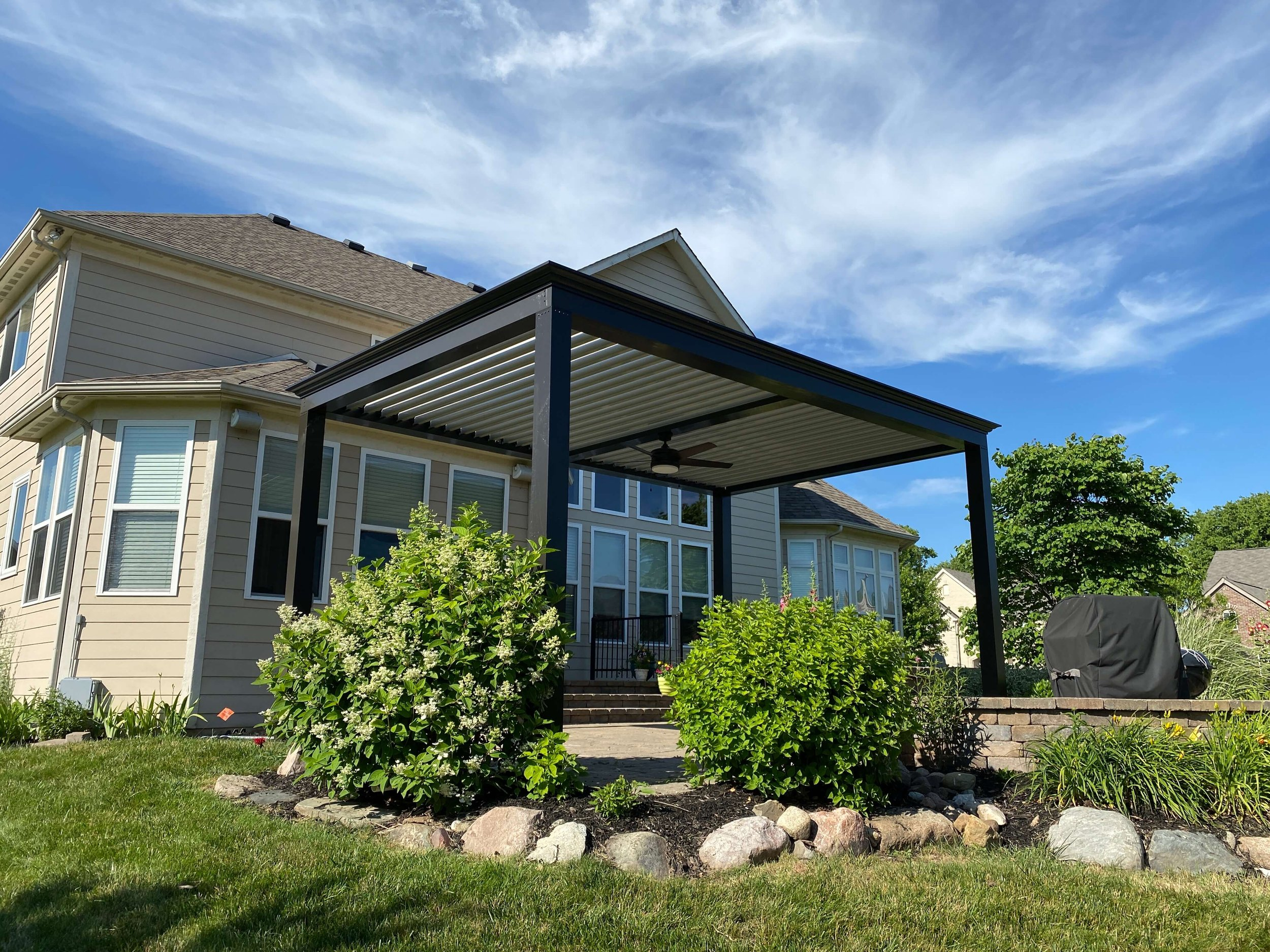
A patio cover is any overhead structure attached to or placed over an outdoor patio to provide shade, weather protection, or both. Patio covers range from temporary fabric solutions like shade sails to permanent structures like solid roof panels or adjustable louvered systems.
The primary reasons homeowners add a patio cover include:
- Sun and UV protection. Direct sunlight makes patios unusable during peak hours in warm climates. A covered patio can be up to 20 degrees cooler underneath.
- Rain protection. A solid or closeable patio cover lets you use your outdoor space during rain instead of running inside every time clouds roll in.
- Extended living space. A well-covered patio functions as an outdoor room. Add furniture, a grill, even a TV, and you have usable square footage that didn't require a home addition.
- Home value. A permanent patio cover or pergola with roof adds real resale value. Buyers in warm-weather states expect outdoor living features.
- Furniture protection. Outdoor furniture, grills, and electronics last significantly longer when shielded from direct sun, rain, and UV exposure.
Your climate (sun, rain, wind and snow exposure), patio size, budget, need for permanence, and willingness to maintain, are all items to consider when selecting your patio cover.
Types of Patio Covers
There are six main categories of patio covers, each with distinct strengths and trade-offs. Here is a side-by-side comparison before we break each one down in detail.
| Type | Material | Rain Protection | Wind Rating | Cost Range | Maintenance | Lifespan |
|---|---|---|---|---|---|---|
| Louvered Pergola | Aluminum | Full (when closed) | Up to 200+ mph | $8,000 - $25,000+ | Very Low | 25+ years / Lifetime |
| Solid Aluminum | Aluminum panels | Full | Up to 100-130 mph | $3,000 - $12,000 | Low | 20-30 years |
| Wood | Cedar, redwood, or pressure-treated | Full (solid roof) / Partial (lattice) | Up to 80-100 mph | $2,000 - $8,000 | High | 10-20 years |
| Fabric / Retractable | Canvas, polyester, acrylic | Limited to Moderate | Up to 25-45 mph | $200 - $5,000 | Medium | 3-10 years |
| Polycarbonate | Polycarbonate panels | Full | Up to 90-115 mph | $1,000 - $10,000 | Low to Medium | 10-20 years |
| Glass | Tempered glass panels | Full | Up to 100-130 mph | $5,000 - $15,000 | Medium (cleaning) | 20-30 years |
Now let’s examine each type so you know precisely what you’re paying for.
Louvered Pergola Patio Covers
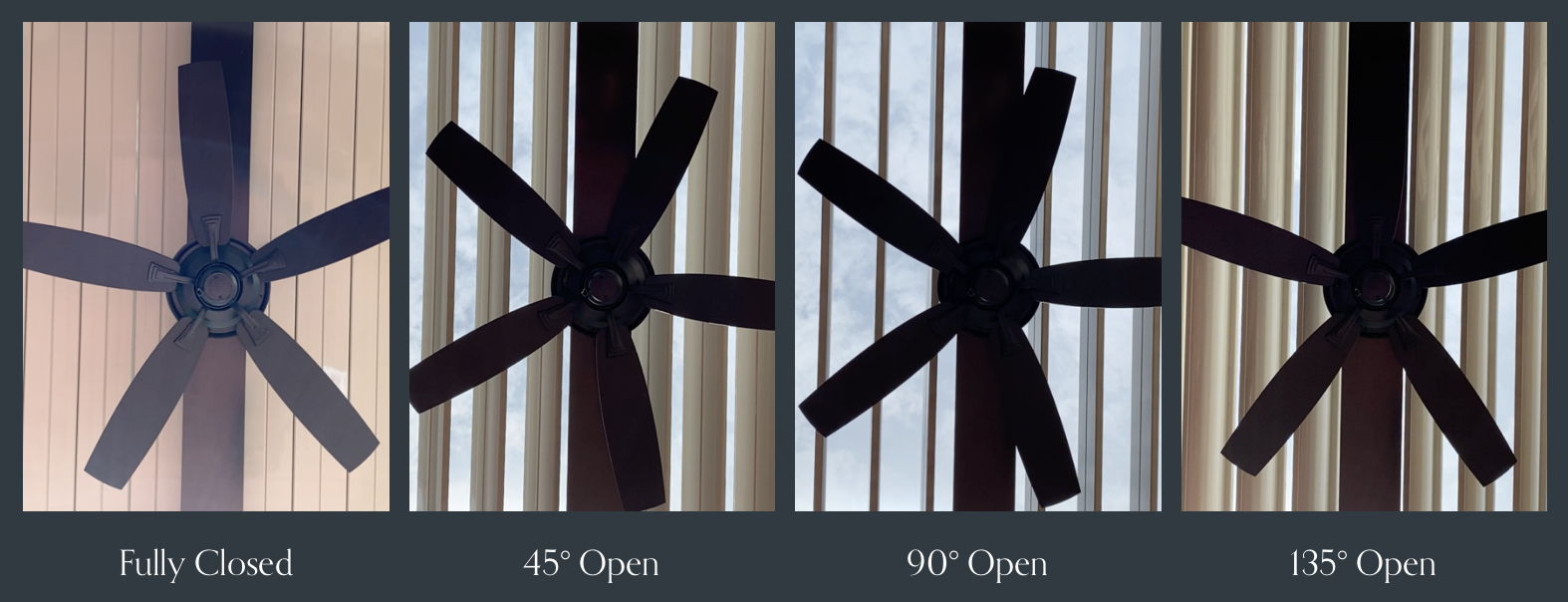
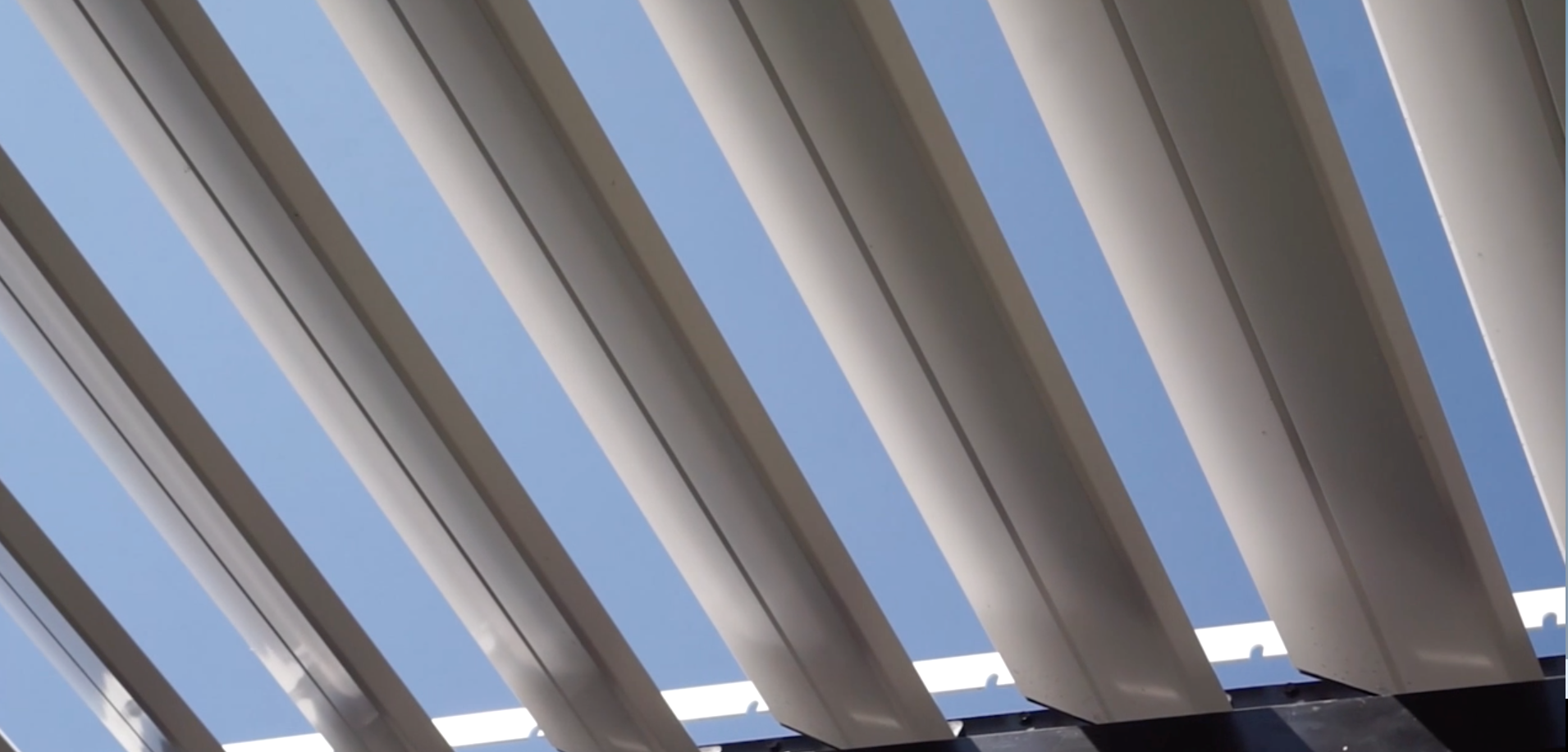
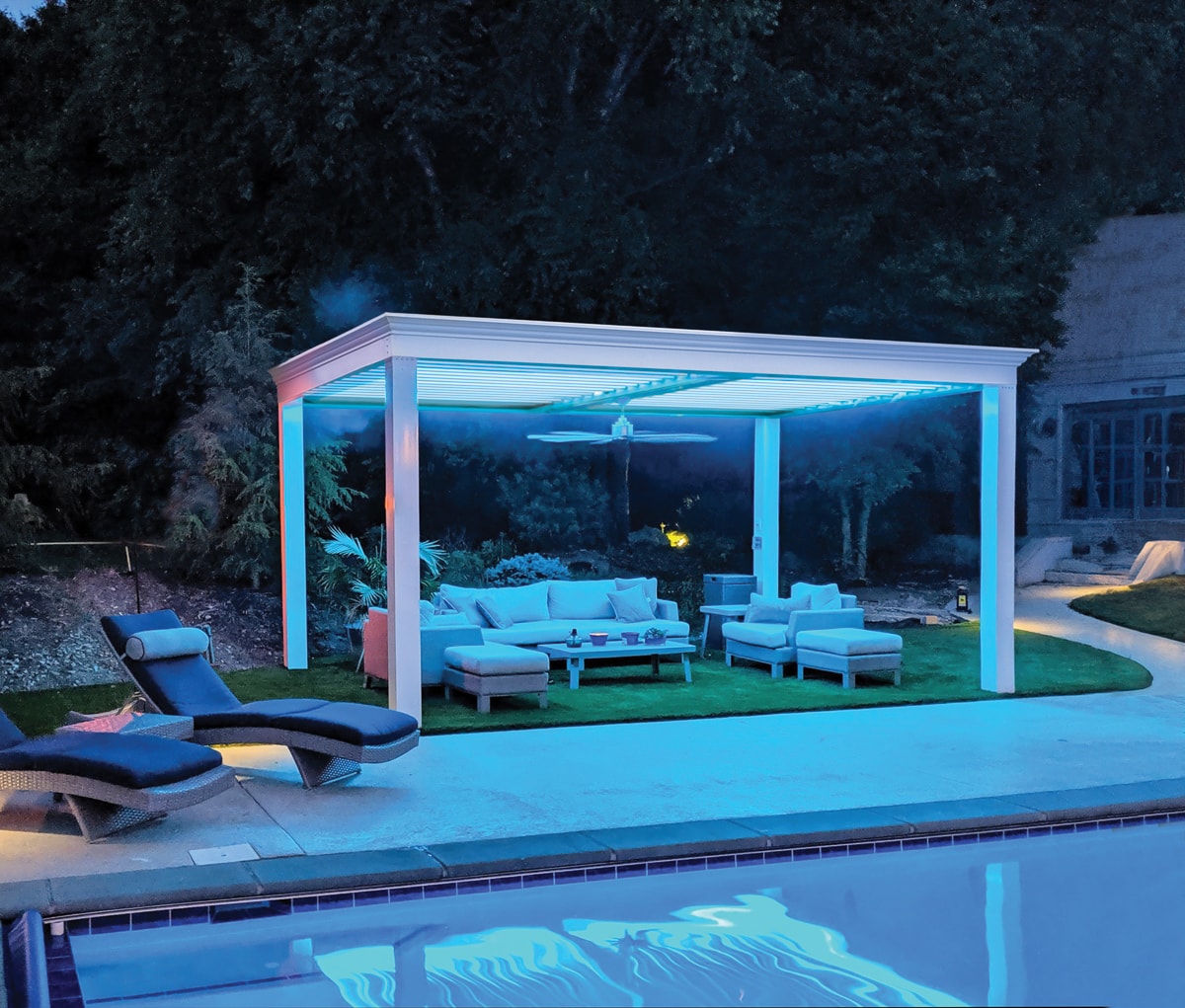
A louvered pergola is the most versatile type of patio cover available. Instead of a fixed roof, it uses adjustable aluminum louvers that rotate to control how much sun, shade, and airflow you get. Close the louvers for full rain protection. Open them for direct sunlight. Angle them anywhere in between for filtered light and breeze. It is the only patio cover that adapts to conditions in real time.
Motorized louvered pergolas operate with a remote control or wall switch, so you can adjust your patio cover in seconds without getting up from your chair. Higher-end models include integrated gutter systems that channel rainwater through the posts and away from your patio when the louvers are closed.
The Luxury Pergola: A Premium Louvered Patio Cover

The Luxury Pergola is a commercial-grade aluminum louvered patio cover manufactured in Indiana and shipped factory-direct to homeowners nationwide. Here is what sets it apart from other louvered pergola options:
- Weight and build quality: A 10x13 unit weighs 1,800 lbs. Competing louvered patio covers weigh 250-450 lbs. This is not patio furniture. This is infrastructure.
- Wind rating: Up to 200+ mph with louvers closed. That is hurricane-rated. Most competitors rate at 72-120 mph.
- Snow load: 65 psf, which is up to 6.5x more than competing brands.
- 130-degree louver rotation: Full range from completely open to fully sealed, with any angle in between.
- Integrated gutter system: Rain channels through the frame and down the posts. No dripping, no puddles.
- Flat ceiling design: Clean, modern look from underneath. Competitors use curved or exposed louver profiles.
- ElectroLayer powder coat: Proprietary coating that resists fading, chipping, and scratching.
- Lifetime warranty: Frame, louvers, motor, and electronics. All covered for life.
- Made in USA: 97% US-sourced materials. Designed, extruded, and powder-coated in Indiana.
Louvered Pergola Patio Cover Pricing
The Luxury Pergola comes in a number of standard sizes that you can purchase directly from the factory. Since there’s no middle man (dealer) or installer making a profit on your purchase you will pay about 50% less for the Luxury Pergola compared to similar products such as StruXure or Azenco louvered patio covers.
- 10x10: Starting around $8,000
- 10x13: Starting around $10,500
- 12x16: Starting around $14,000
- 12x20: Starting around $17,500
- Custom sizes and Super Pergola (connected units): Available for larger coverage areas
To get a precise price quote, including the size and color you want and any options you need, check out the product configurator.
Who Should Choose a Louvered Pergola as Their Patio Cover?
This is the patio cover for you if you want full control over your outdoor space. If you have a variable climate, if you need a patio cover that provides both sun AND rain protection, and if you are investing in a patio that you will use for decades, then a louvered pergola offers you the best long term value. While it is more expensive than any other patio cover, the flexibility, strength, and true zero maintenance of the product makes it the best overall long term value of any permanent patio cover.
Solid Aluminum Patio Covers
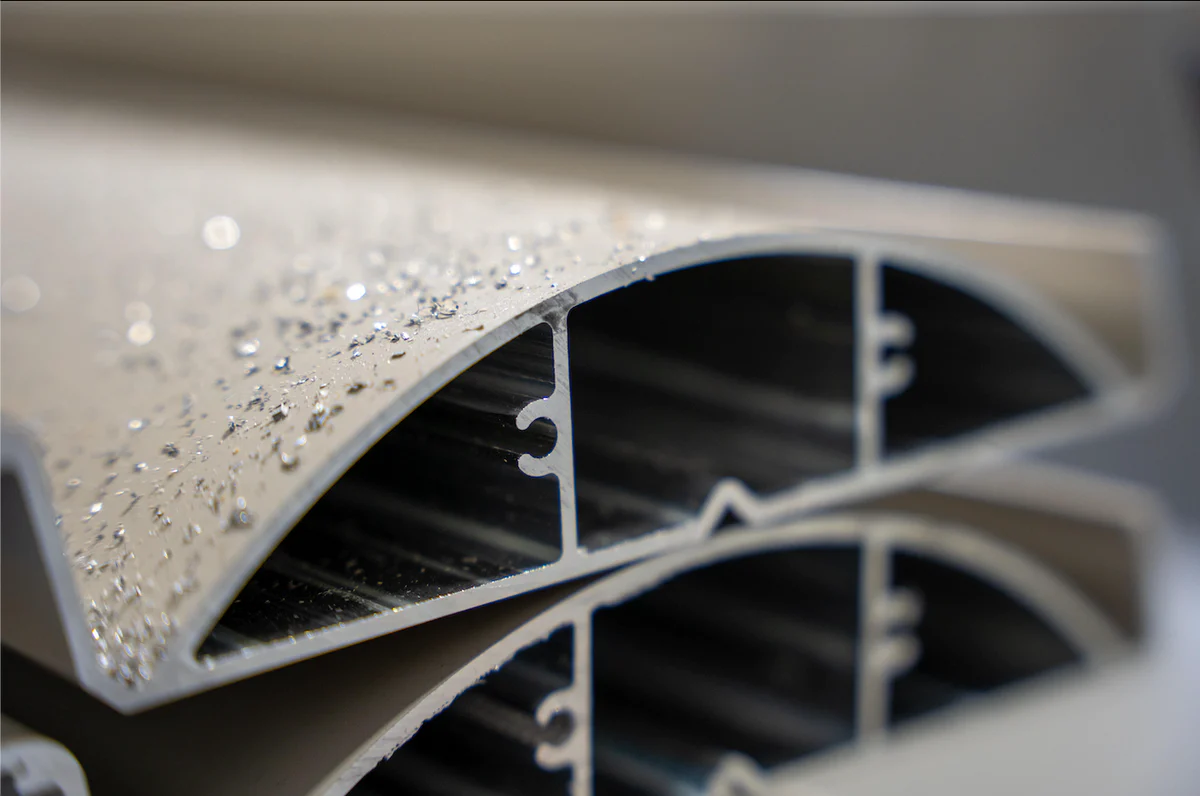
Solid aluminum patio covers use fixed roof panels to create a permanent overhead structure. They block 100% of rain and sun, all the time. Unlike louvered systems, there is no adjustability. The roof is always closed.
Pros of Solid Aluminum Patio Covers
- Full weather protection: Rain, sun, and debris are completely blocked at all times.
- Low maintenance: Aluminum does not rot, rust (in most conditions), or need repainting. An occasional rinse is all it takes.
- Moderate cost: More affordable than louvered or motorized options. Expect to pay $3,000-$12,000 depending on size and quality.
- Clean look: Modern solid aluminum patio covers have a sleek profile that works with contemporary home designs.
- Long lifespan: 20-30 years with minimal upkeep.
Cons of Solid Aluminum Patio Covers
- No adjustability: You cannot open the roof to let in sunlight. If you want direct sun on a nice morning, you will need to step out from under the patio roof.
- Heat buildup: A fixed solid roof can trap heat underneath, especially in dark colors. Without airflow, your covered patio can feel stuffy in summer.
- Limited light: The space underneath a solid aluminum patio cover stays shaded all day. If your living room windows face the patio, this can darken interior rooms too.
- Noise: Rain on thin aluminum panels can be loud. Thicker gauge panels reduce this, but it is still noticeable.
Solid Aluminum Patio Cover Costs
Low-cost solid aluminum patio covers (smaller thickness and lower grade powder coating) will typically cost between $3,000-$4,000 for a 10x10 patio cover. Mid-range covers (thicker panels and higher grade powder coating) will cost between $5,000-$8,000. The cost of professional installation ranges from $1,500-$4,000, depending on where you live and the ease of attachment.
Wood Patio Covers
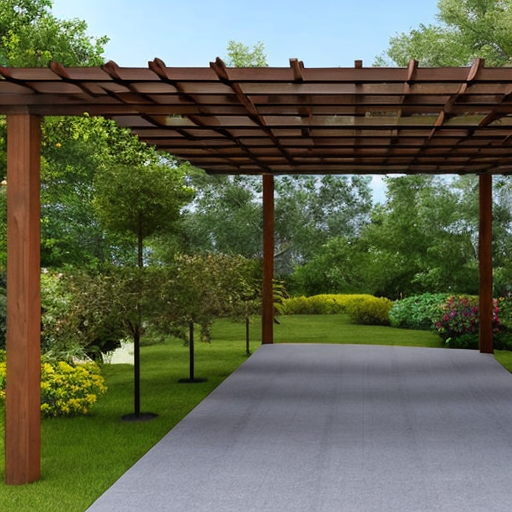
Wood patio covers are the traditional choice and still the most common type in many parts of the country. They offer a warm, natural look that complements craftsman, farmhouse, and traditional home styles. The three most common wood types are cedar, redwood, and pressure-treated pine.
Wood Types for Patio Covers
Cedar
Naturally resistant to rot and insects. Beautiful grain. Costs $4,000-$8,000 for a standard patio cover. Needs sealing or staining every 2-3 years to maintain appearance and prevent graying.
Redwood
Premium option with natural rot resistance and rich color. Costs $5,000-$10,000+. Like cedar, requires regular staining. Harder to source outside the western United States, which drives up cost.
Pressure-Treated Pine
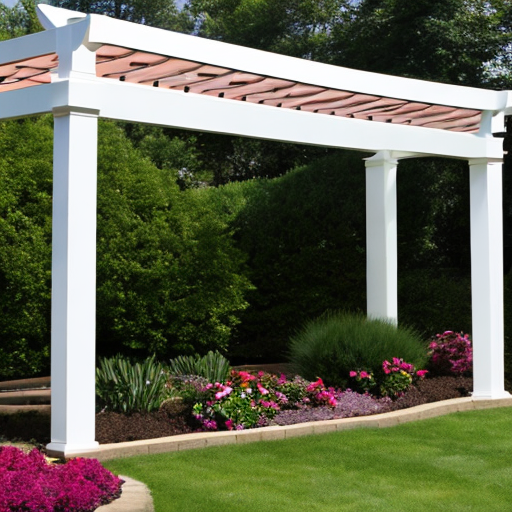
Garden pergola wood structure showing visual appeal with lower durability compared to aluminum patio covers
The budget wood option. Costs $2,000-$5,000. Treated with chemicals to resist rot and insects. Works well structurally but does not look as refined as cedar or redwood. Needs staining and sealing, and the chemical treatment fades over time.
Pros of Wood Patio Covers
- Natural beauty: Wood offers warmth and character that metal cannot replicate.
- Customizable: Easy for a skilled carpenter to build custom designs, curves, and details.
- Lower upfront cost: Pressure-treated options are among the most affordable permanent patio covers.
- DIY-friendly for experienced builders: Standard framing techniques. No special tools required beyond standard carpentry gear.
Cons of Wood Patio Covers
- High maintenance: Staining, sealing, and inspection every 2-3 years. Skip it and you will see warping, cracking, and rot.
- Shorter lifespan: Even well-maintained cedar lasts 15-20 years. Pressure-treated pine may show significant deterioration in 10-15 years.
- Pest vulnerability: Termites, carpenter bees, and other insects target wood patio structures.
- Weather damage: Wood expands and contracts with moisture and temperature changes. Joints loosen. Hardware corrodes. Snow and ice accelerate deterioration.
- No rain protection (lattice style): Many wood patio covers use open lattice, which provides shade but zero rain coverage. Adding a solid roof increases cost and structural requirements.
Fabric and Retractable Patio Covers
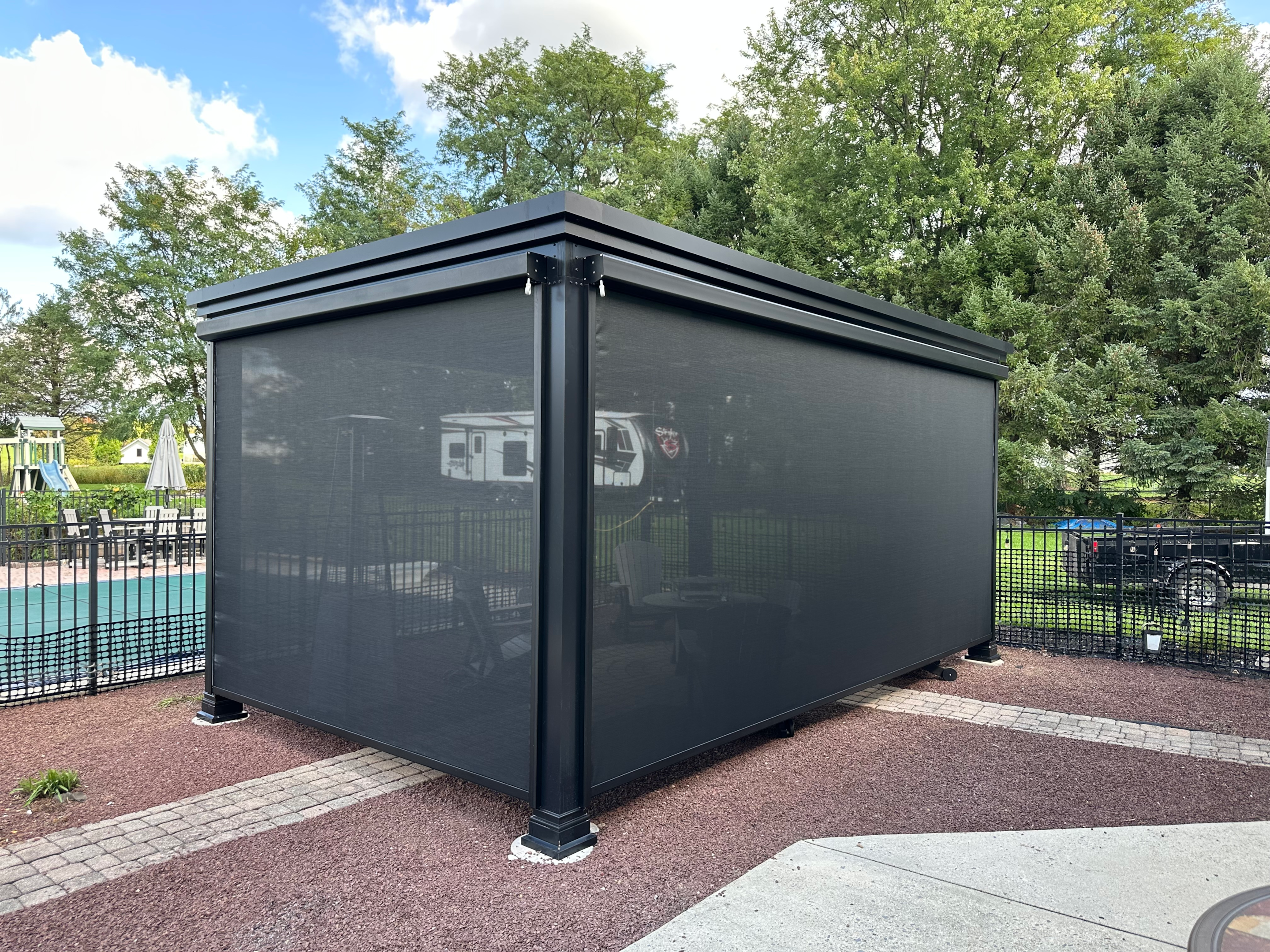
Fabric patio covers include shade sails, fixed awnings, and motorized retractable canopies. They are the most budget-friendly patio covering option and the fastest to install. But they are also the least durable and offer the least protection.
Shade Sails
Triangular or rectangular pieces of UV-resistant fabric stretched between posts or anchor points. Cost: $200-$800 for DIY. Provide shade only, not rain protection. Most shade sails need to come down in winter or high winds. Lifespan: 3-5 years before the fabric degrades from UV exposure.
Fixed Awnings
Fabric stretched over a metal frame, typically attached to the house. Provide shade and limited rain deflection. Cost: $500-$3,000 installed. Not designed for high winds or heavy rain. Fabric needs replacement every 5-8 years.
Retractable Awnings and Canopies
Motorized or manual retractable systems that extend and retract fabric patio shade. Cost: $1,500-$5,000+ for motorized models. The advantage is that you can retract them during storms and extend them for shade when needed. The disadvantage is that fabric still degrades, mechanisms can break, and wind ratings rarely exceed 25-45 mph.
Who Should Choose Fabric Patio Covers?
Fabric patio covers make sense for renters, for temporary or seasonal use, or for homeowners on a tight budget who want quick shade. They do not make sense as a long-term patio roof solution. If you plan to spend more than a few thousand dollars, the money is better put toward a permanent structure that will last decades rather than years.
Polycarbonate and Glass Patio Covers
Polycarbonate and glass patio covers are the go-to choice when you want rain protection without sacrificing natural light. These translucent or transparent options let sunlight through while keeping water out, creating a bright covered patio that does not feel like a cave.
Polycarbonate Patio Covers
Polycarbonate panels are lightweight, shatter-resistant plastic sheets that come in clear, tinted, or frosted finishes. They block up to 99% of UV rays while allowing diffused light through.
- Cost: $1,000-$10,000 depending on size, panel thickness, and frame quality.
- Pros: Lightweight, easy to install, allows natural light, good rain protection, blocks UV.
- Cons: Can yellow or become cloudy after 10-15 years. Prone to scratching. Noise in heavy rain (similar to solid aluminum). Lower wind resistance than metal options. Can look commercial or industrial rather than residential.
- Lifespan: 10-20 years depending on quality and UV exposure.
Glass Patio Covers
An aluminum or steel frame with tempered glass inserts is the most high-end patio roof translucent solution. It has a sophisticated, contemporary appearance and the best optical clarity.
- Cost: $5,000-$15,000+ depending on size and glass type.
- Pros: Best visual clarity. Does not yellow or cloud. Excellent rain protection. Premium aesthetic. Long lifespan.
- Cons: Heavy, requiring a strong frame. Expensive. Needs regular cleaning to stay looking good. No UV protection unless coated or tinted. Can create a greenhouse effect in warm climates, trapping heat underneath. Professional installation required.
- Lifespan: 20-30 years for the glass; frame lifespan depends on material.
When Translucent Patio Covers Make Sense
It's a good choice where it rains a lot, but isn't too hot or sunny (like the Pacific Northwest), since you still get some sunlight through it. Another common use is to cover patios next to a dark room, where a solid patio roof would cut out too much light. The downside is they offer no shade, so aren't the best choice for hot, sunny areas unless they are tinted.
Patio Cover Costs by Type and Size

Patio cover pricing varies widely based on type, material, and size. Here is a detailed cost breakdown across the most popular patio sizes. All prices are for materials plus basic installation. DIY installation can save $1,500-$5,000 depending on the project.
| Size | Louvered Pergola | Solid Aluminum | Wood (Cedar) | Fabric / Retractable | Polycarbonate | Glass |
|---|---|---|---|---|---|---|
| 10x10 | $8,000 - $11,000 | $3,000 - $5,500 | $2,500 - $5,000 | $200 - $2,000 | $1,000 - $4,000 | $5,000 - $8,000 |
| 12x12 | $10,000 - $14,000 | $4,000 - $7,500 | $3,500 - $6,500 | $500 - $3,000 | $1,800 - $5,500 | $6,500 - $10,000 |
| 12x16 | $13,000 - $17,000 | $5,500 - $9,000 | $4,500 - $7,500 | $800 - $3,500 | $2,500 - $7,000 | $8,000 - $12,000 |
| 14x14 | $14,000 - $19,000 | $6,000 - $10,000 | $5,000 - $8,000 | $1,000 - $4,000 | $3,000 - $8,000 | $9,000 - $13,000 |
| 16x20 | $18,000 - $25,000 | $8,000 - $12,000 | $6,500 - $10,000 | $1,500 - $5,000 | $5,000 - $10,000 | $11,000 - $15,000 |
| 20x20 | $22,000 - $30,000+ | $10,000 - $15,000 | $8,000 - $13,000 | $2,000 - $5,500 | $7,000 - $12,000 | $13,000 - $18,000 |
Side note on TCO: The lowest priced patio cover today, is not necessarily the lowest priced patio cover over 20 years. A wood patio cover that costs $3,000 today, that requires $500 of staining and repair every 2-3 years and a $5,000 replacement in year 12, will cost $9,000-$11,000 over 20 years. An aluminum patio cover that costs $10,000 today and requires no maintenance, will cost $10,000 over 20 years. Consider replacement and maintenance and your time in evaluating patio cover options.
To find out more about the cost of louvered pergola patio covers, take a look at our dedicated louvered pergola cost guide.
Patio Cover vs. Pergola vs. Gazebo vs. Pavilion
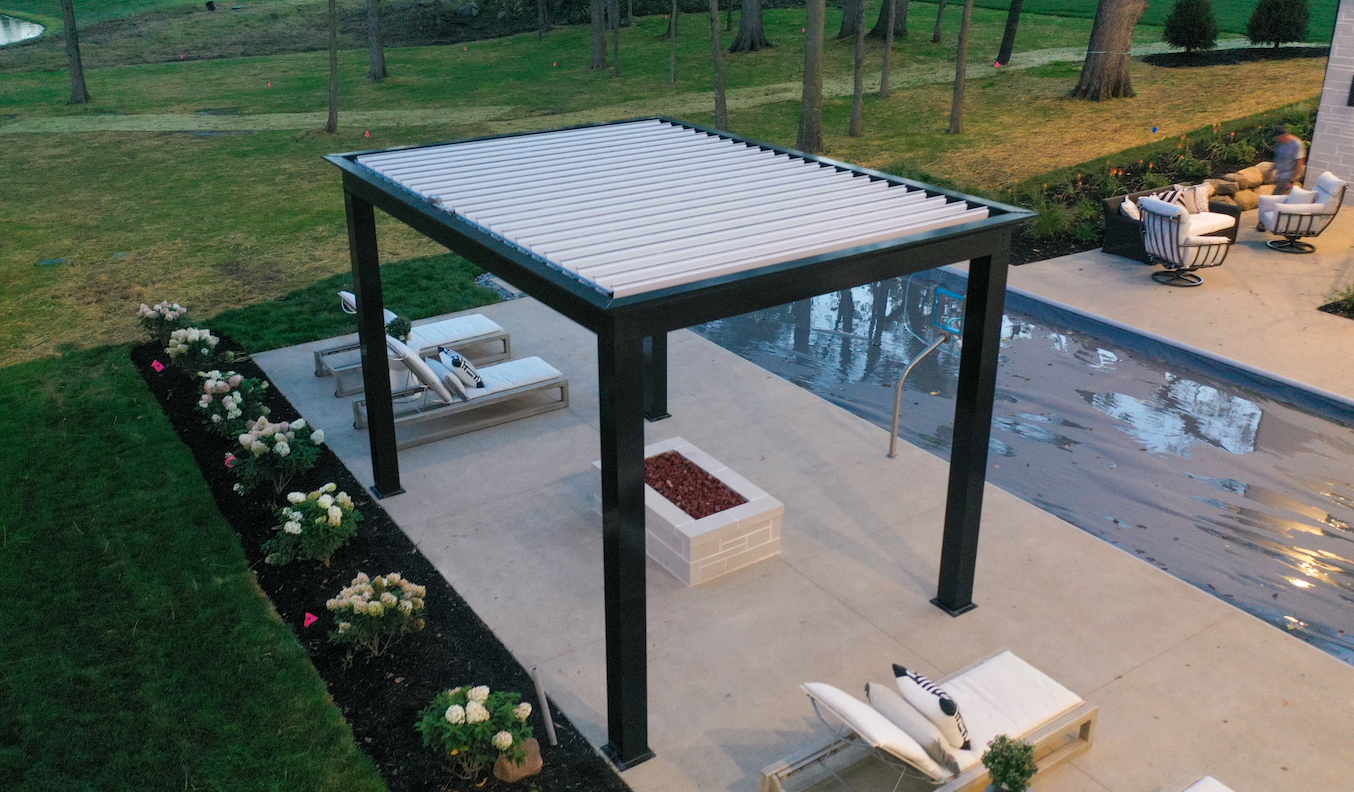
If you are searching for a patio cover, you have probably also seen the terms pergola, gazebo, and pavilion thrown around. These structures overlap, but they are not identical. Here is how they compare.
| Feature | Patio Cover | Pergola | Gazebo | Pavilion |
|---|---|---|---|---|
| Roof | Solid or adjustable | Open rafters, lattice, or louvered | Solid (usually peaked) | Solid (flat or gabled) |
| Shape | Rectangular (attached to house) | Rectangular (attached or freestanding) | Round, hexagonal, or octagonal | Rectangular (freestanding) |
| Walls | Open sides (sometimes with screens) | Open sides | Often has railings or screens | Open sides |
| Typical Size | 10x10 to 20x20+ | 10x10 to 20x20+ | 8x8 to 14x14 | 12x14 to 20x30+ |
| Rain Protection | Yes (if solid or louvered) | Varies (none with open rafters, full with louvered) | Yes | Yes |
| Best For | Extending home outdoor space | Patio, pool, outdoor kitchen | Garden focal point, seating | Large outdoor events, kitchens |
| Cost Range | $200 - $25,000+ | $2,000 - $25,000+ | $3,000 - $15,000 | $5,000 - $30,000+ |
The difference is this: "patio cover" is a purpose (a cover for a patio), whereas pergola, gazebo, and pavilion are forms (a type of structure). A louvered pergola is a patio cover. A solid-roof pavilion is a patio cover. They are different forms with the same purpose.
If you like the idea of having a patio cover for protection, but prefer the look of a pergola, then a louvered pergola may be the perfect compromise. It still looks like a pergola and offers the openness and beauty you want, but still provides full protection from rain and the sun. You can read more in our full pergola vs. patio cover breakdown.
How to Choose the Right Patio Cover
With six major types of patio covers and dozens of variations within each, narrowing down the right choice can feel overwhelming. Use this decision framework to cut through the noise.
Step 1: Define Your Climate Requirements
Your local weather is the single biggest factor in choosing a patio cover. Ask yourself:
- How much rain do you get? If rain is frequent (Southeast, Pacific Northwest), you need full rain protection. Fabric and open-lattice covers will not cut it.
- How intense is your sun? In desert climates (Arizona, Nevada, West Texas), shade is non-negotiable. But you may also want the option to let light in during cooler months.
- Do you get snow? Heavy snow regions need patio covers with real structural ratings. Most fabric covers and thin polycarbonate panels cannot handle snow loads.
- What are your wind conditions? Coastal and plains states deal with sustained high winds. A patio cover rated for up to 200+ mph versus 45 mph is the difference between a structure that lasts decades and one that ends up in your neighbor's yard.
Step 2: Set Your Budget (But Think Long-Term)
- Under $1,000: Shade sails or basic fixed awnings. Temporary solutions only.
- $1,000 - $5,000: Retractable awnings, basic polycarbonate covers, or small pressure-treated wood covers. Mid-tier durability.
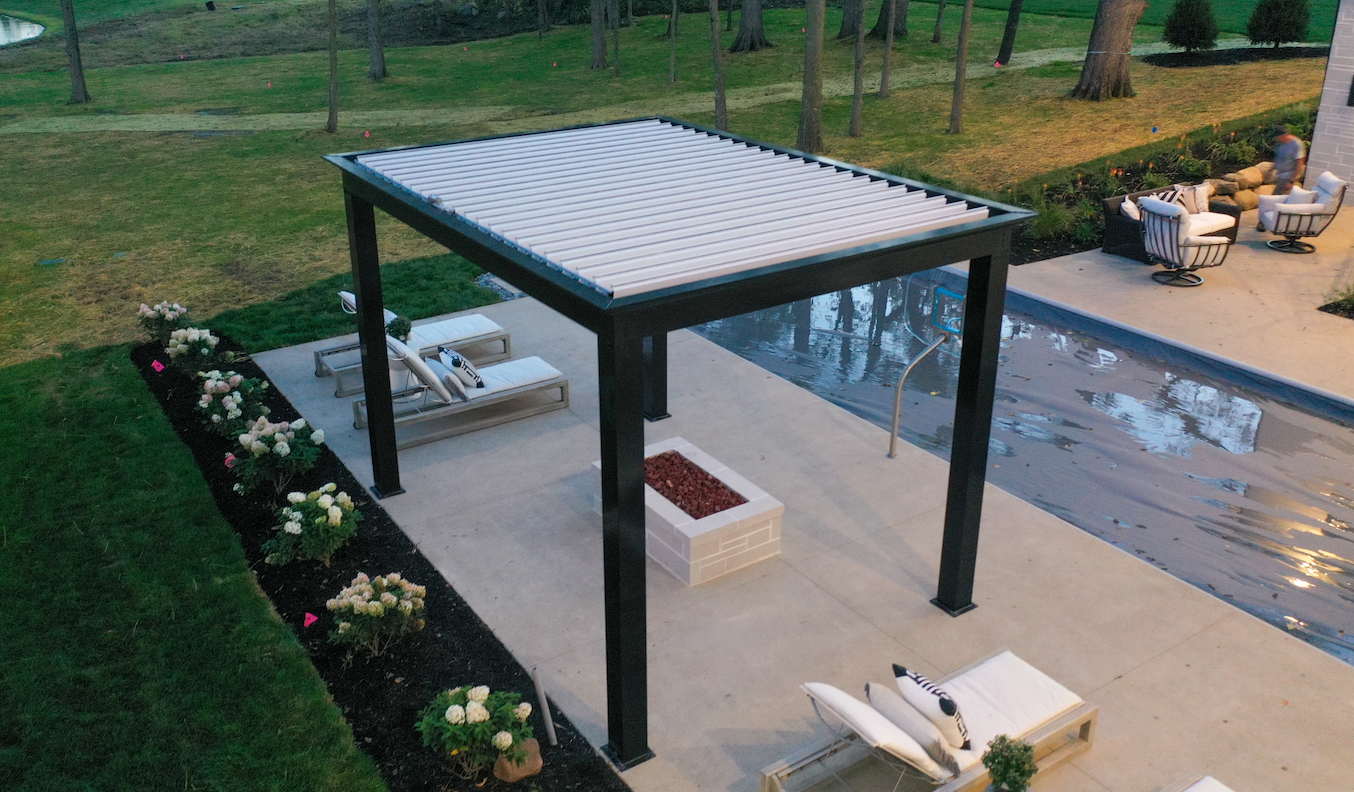
- $5,000 - $15,000: Solid aluminum covers, quality wood covers, glass panels, or entry-level louvered pergolas. Permanent solutions with good longevity.
- $15,000 - $25,000+: Premium louvered pergola patio covers with motorized louvers, integrated gutters, and lifetime warranties. The highest upfront cost but the lowest 20-year cost of ownership for a full-featured patio covering.
Step 3: Decide on Adjustability
Is it more important to have a patio cover do one thing perfectly, or to have it do several things? A solid patio roof will forever protect you from the rain and the sun. An adjustable louvered roof lets you change from open sky to filtered shade to solid roof. If your patio has multiple uses (for example, I like to drink coffee in the morning sun, read in the afternoon shade, and entertain in the evening rainstorm), then adjustability is a critical factor.
Step 4: Assess DIY vs. Professional Installation
- DIY-friendly: Shade sails, basic wood covers (if you have carpentry skills), some aluminum pergola kits (The Luxury Pergola is designed for 1-day DIY install with 2-3 people)
- Professional recommended: Glass patio covers, large wood structures, attached solid aluminum covers, anything requiring structural attachment to your home's roof line
Step 5: Consider Aesthetics and Home Style
- Modern/contemporary homes: Aluminum louvered pergolas, solid aluminum covers, glass panels
- Traditional/craftsman homes: Cedar or redwood wood covers, painted aluminum with decorative elements
- Mediterranean/Spanish: Stucco-wrapped columns with solid roofs, clay-tile accents
- Any home: A well-designed louvered pergola patio cover works across styles because the clean lines are architecturally neutral
Check out our patio cover ideas photo gallery for more examples of patio covers in real installations.
Do Patio Covers Need a Permit?
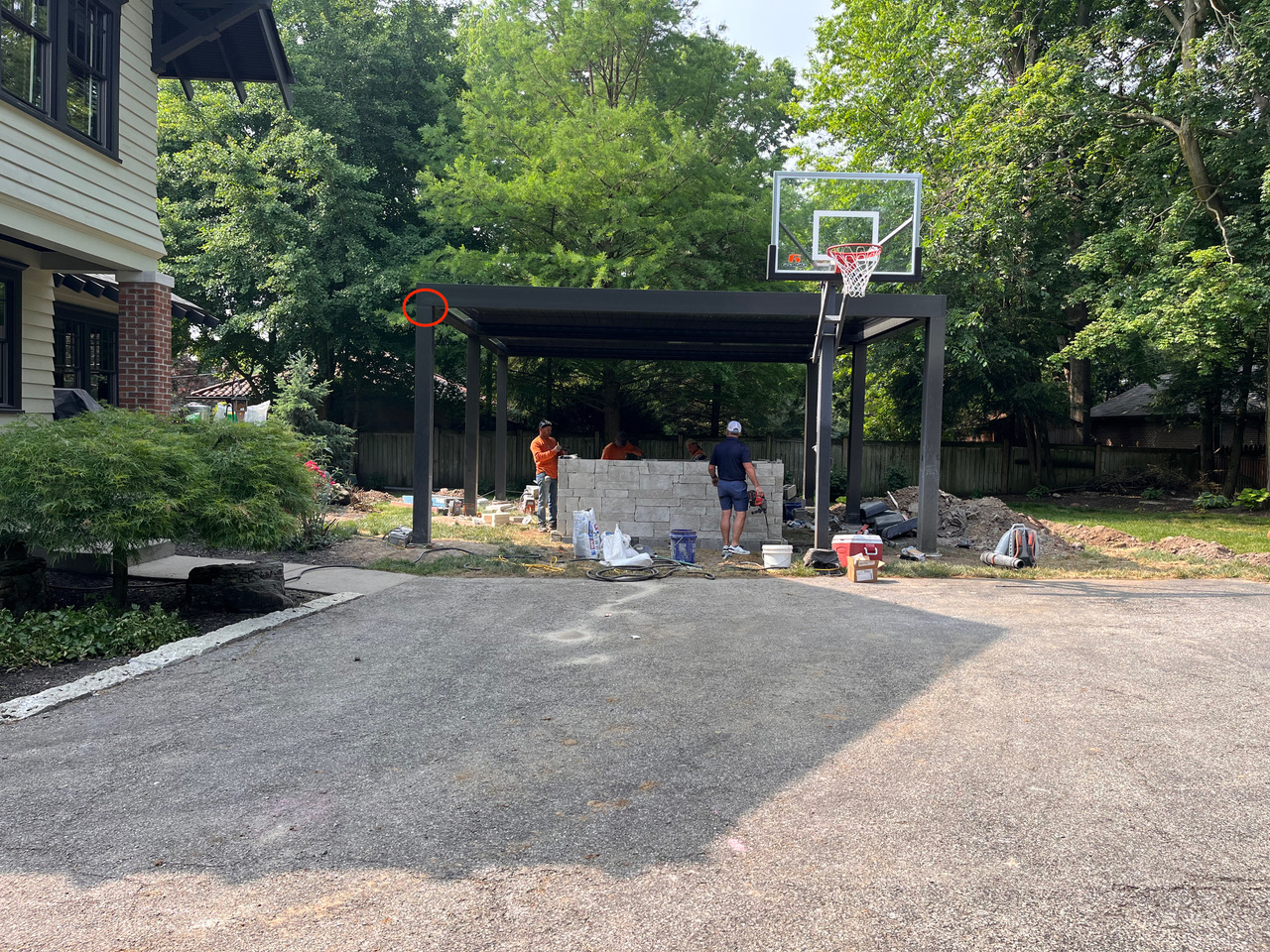
In most jurisdictions, yes. Permanent patio covers typically require a building permit. However, the rules vary significantly by city, county, and state. Here is general guidance on what to expect.
When You Likely Need a Permit
- Attached structures: Any patio cover bolted to your home's exterior wall or roofline almost always requires a permit because it affects the primary structure.
- Structures over a certain size: Most municipalities set thresholds (often 120-200 square feet) above which a permit is required. A 10x10 patio cover (100 sq ft) might be exempt. A 12x16 (192 sq ft) likely is not.
- Electrical components: Motorized patio covers (including louvered pergolas) with integrated wiring for motors, lights, or fans usually trigger electrical permit requirements.
- Concrete footings: If your patio cover requires new footings or post anchors set in concrete, a permit is typically required.
- HOA communities: Even if your city does not require a permit, your HOA may require architectural review and approval. Always check.
When You Might Not Need a Permit
- Temporary or portable structures: Shade sails, freestanding umbrellas, and portable canopies are generally exempt.
- Small freestanding structures: Some jurisdictions exempt freestanding patio covers under 120 sq ft that are not attached to the house.
- Certain rural areas: Unincorporated areas sometimes have more relaxed permitting requirements.
How to Check
You can call your local building department or look on your city’s website. When you ask them something like, “I want to build a patio cover that is [X size], [attached/freestanding], on a [concrete/deck] surface.” They will tell you what you need. Generally, permits will cost between $100-$500 for a residential patio cover.
Each Luxury Pergola purchase comes with engineered drawings and specifications, which is what the majority of permit offices demand. This eliminates the need for a third-party engineer, at a cost of $500-$1,500.
Frequently Asked Questions About Patio Covers
What is the cheapest type of patio cover?
Shade sails are the cheapest patio cover option, starting at $200-$500 for a single sail. They provide UV protection and partial shade but offer no rain protection, have limited wind resistance (up to 25-45 mph at most), and need replacement every 3-5 years. For a permanent patio covering on a budget, pressure-treated wood lattice covers start around $2,000.
What is the most durable patio cover?
Commercial-grade aluminum louvered pergolas and solid aluminum patio covers are the most durable options. The Luxury Pergola, for example, is rated for up to 200+ mph winds and 65 psf snow loads, weighs 1,800 lbs for a 10x13 unit, and comes with a lifetime warranty. Standard aluminum patio covers last 20-30 years, while premium louvered systems can last a lifetime with zero maintenance.
Can I install a patio cover myself?
It depends on the type. Shade sails and basic fabric canopies are easy DIY projects. Wood patio covers require carpentry skills and typically 2-4 days of work. The Luxury Pergola is specifically designed for DIY installation in about a day with 2-3 people, video guides, and phone support. Glass patio covers and large solid roof structures usually require professional installation.
Do patio covers add value to a home?
Yes. Permanent patio covers with quality materials and professional appearance can recoup 50-80% of their cost at resale. In warm-weather markets like California, Florida, and Texas, a covered patio is essentially expected by buyers and can help sell a home faster. Temporary fabric covers add no measurable value.
What is the best patio cover for rain?
For constant rain protection, solid aluminum or glass patio covers provide the best coverage since the roof never opens. For adjustable rain protection (where you can open the roof on dry days and close it when it rains), a louvered pergola with integrated gutters is the best choice. The Luxury Pergola's gutter system channels water through the posts and away from the patio when louvers are closed, so there is no dripping at the edges.
How much does it cost to build a 12x16 patio cover?
A 12x16 patio cover costs $800-$17,000 depending on the type. Fabric retractable covers: $800-$3,500. Polycarbonate: $2,500-$7,000. Wood (cedar): $4,500-$7,500. Solid aluminum: $5,500-$9,000. Louvered pergola: $13,000-$17,000. These ranges include materials and basic installation. DIY installation reduces costs by $1,500-$4,000.
What is the difference between a patio cover and a pergola?
A patio cover is any structure that provides overhead coverage for a patio, whether it is a solid roof, a fabric canopy, or a louvered system. A pergola is a specific type of outdoor structure with posts and an open or semi-open roof. A traditional pergola with open rafters provides limited shade and no rain protection. A louvered pergola with adjustable louvers functions as both a pergola and a full patio cover. See our detailed pergola vs. patio cover comparison for more.
How long do patio covers last?
Lifespan varies dramatically by type. Shade sails: 3-5 years. Fabric awnings: 5-8 years. Pressure-treated wood: 10-15 years. Cedar or redwood: 15-20 years. Polycarbonate: 10-20 years. Solid aluminum: 20-30 years. Premium louvered aluminum pergolas (like The Luxury Pergola with a lifetime warranty): 25+ years with zero maintenance. The single biggest factor in longevity is material. Aluminum outlasts wood, fabric, and plastic by a wide margin.

